
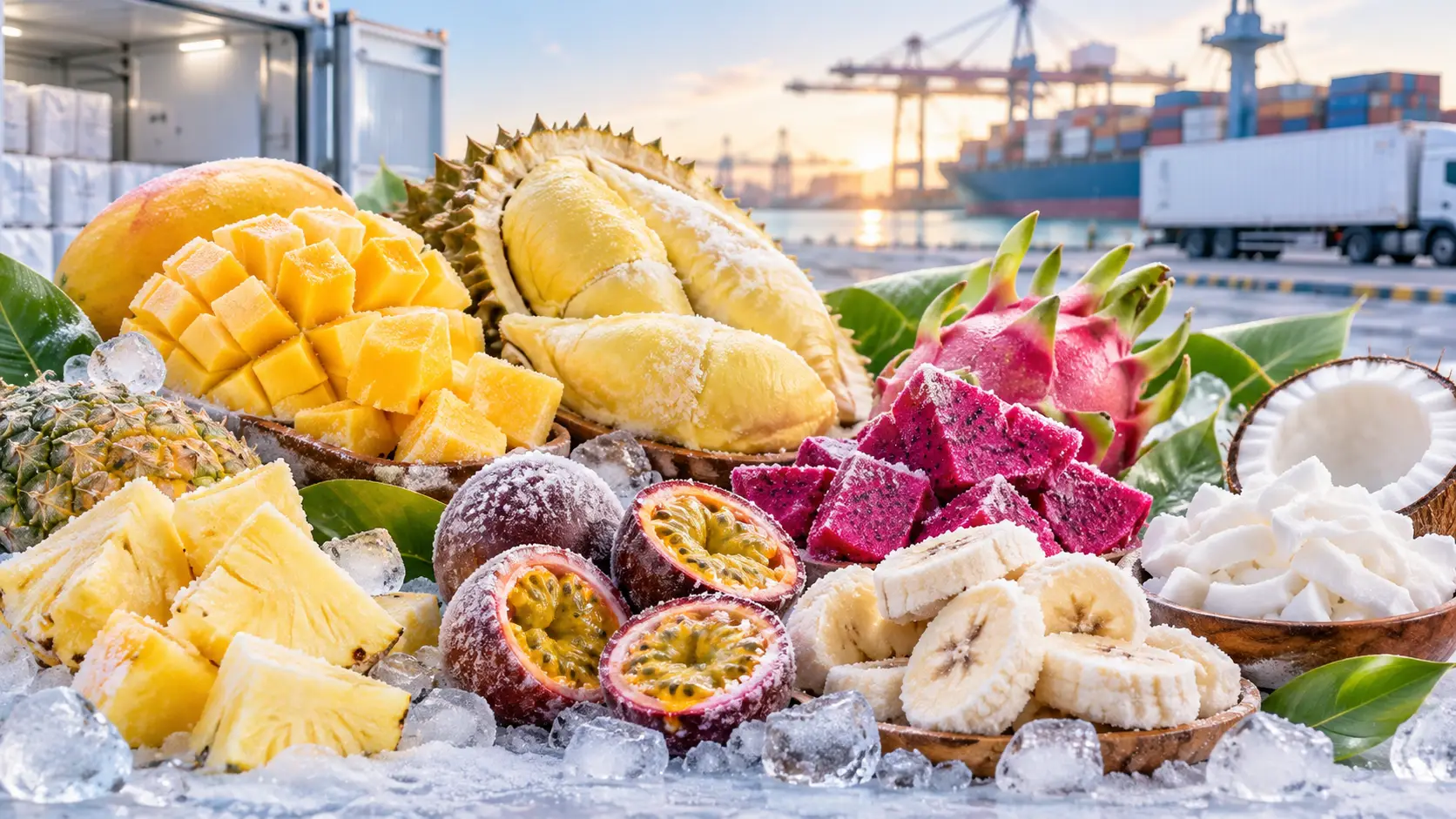

ietnam’s tropical fruit industry offers more than fresh produce. Mangoes, durians, dragon fruit, pineapples, and other locally grown fruits are increasingly being processed into frozen fruits for international food manufacturers, beverage producers, and distributors.
For businesses sourcing ingredients, frozen fruits from Vietnam provide practical advantages in storage, transportation, and production planning. Pre-cut and frozen ingredients reduce preparation time while allowing manufacturers to purchase fruit in formats suited to their processing requirements.
However, the export potential of frozen fruits varies by product. Market demand, raw material quality, freezing technology, and supply chain reliability all influence commercial opportunities. The following seven Vietnamese tropical fruits are worth considering for their processing applications and potential in international markets.
Why Do Frozen Fruits from Vietnam Have Export Potential?
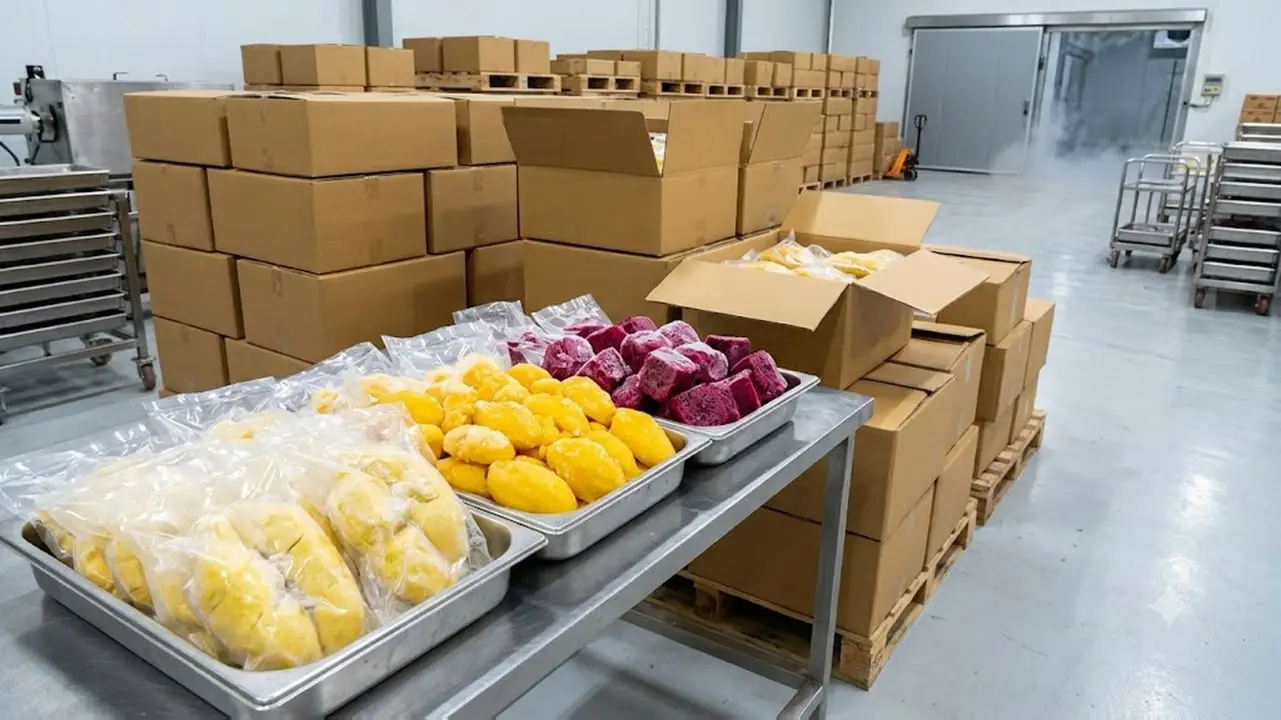
Vietnam produces a diverse range of tropical fruits, including mango, durian, dragon fruit, pineapple, passion fruit, banana, and coconut. This agricultural diversity creates opportunities to develop frozen tropical fruits for the global food and beverage industry.
Compared with fresh produce, frozen fruits can provide greater flexibility in storage and production scheduling when maintained under appropriate conditions. Processing fruit into ready-to-use pieces or pulp also helps manufacturers reduce preparation work.
Individual Quick Freezing (IQF) is one technology used in the industry. It rapidly freezes individual fruit pieces, helping prevent them from clumping together and making portioning more convenient. IQF fruits are particularly useful for applications requiring separate pieces rather than a frozen block.
However, not all products use IQF. Fruit puree, pulp, and other processed ingredients may require different freezing methods.
By developing frozen fruits for export, Vietnamese businesses can expand their range of value-added products while meeting the needs of international manufacturers seeking tropical ingredients.
Top 7 Frozen Fruits with Export Potential from Vietnam
1. Frozen Mango – A Versatile Ingredient for Food Manufacturing
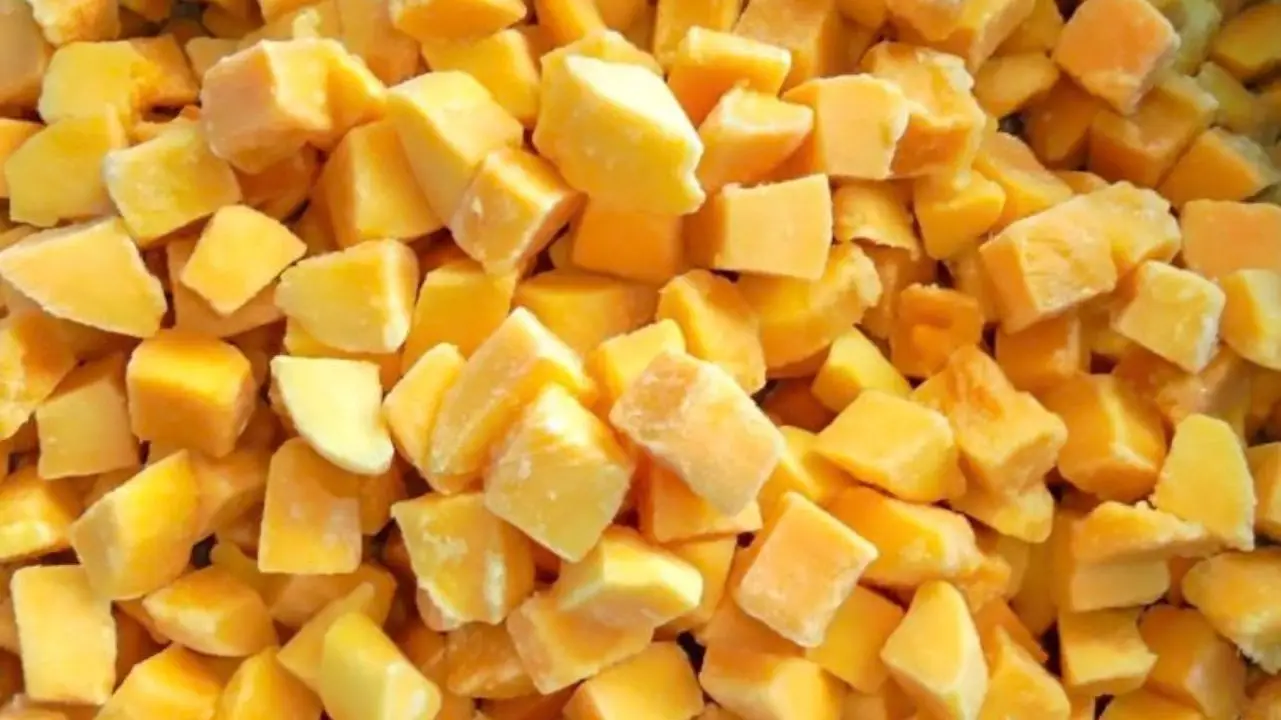
Mango is valued for its natural sweetness, vibrant color, and distinctive tropical aroma. It can be processed into frozen chunks, slices, diced pieces, or puree, depending on the intended application.
IQF mango is suitable for smoothies, yogurt, ice cream, and mixed-fruit products. Individually frozen mango pieces allow manufacturers to measure portions conveniently without thawing an entire package.
Mango puree, meanwhile, can be incorporated into beverages, bakery fillings, fruit sauces, and desserts.
For international businesses sourcing frozen mango from Vietnam, important considerations include fruit variety, ripeness, sweetness, color, and cutting specifications.
These diverse applications make mango one of the notable categories of frozen fruits for food processing and international distribution.
2. Frozen Durian – Opportunities for Value-Added Products
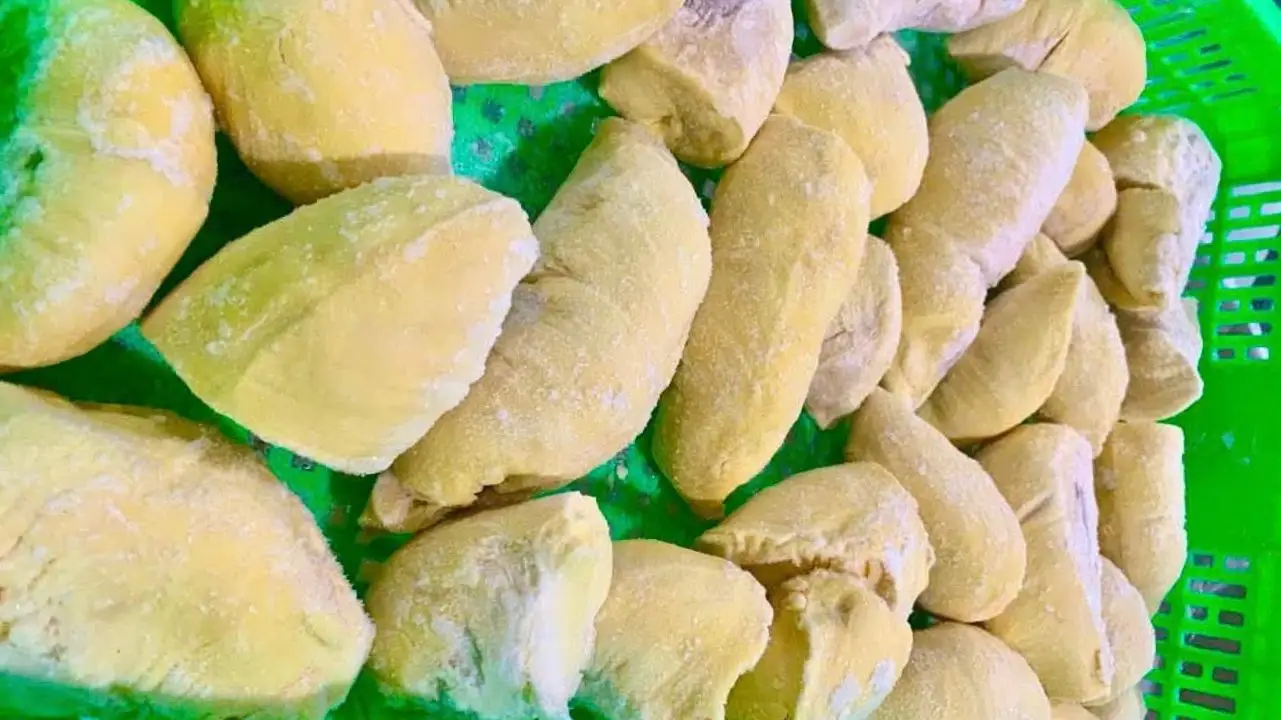
Durian is known for its intense aroma, rich flavor, and creamy texture. It is widely used in Asian desserts and various processed food products.
For frozen processing, the edible flesh can be separated from the husk and seeds, reducing preparation work for manufacturers.
Frozen durian can be supplied as flesh segments, seedless pulp, or puree. These formats are suitable for ice cream, bakery fillings, beverages, and other desserts.
In May 2025, Vietnam achieved an important milestone when a shipment of more than 22 metric tons of frozen durian cleared customs for China under a bilateral protocol signed in 2024.
This development demonstrated formal market access for Vietnamese frozen durian, although exporters must continue to meet the destination market’s requirements for traceability, processing facilities, and food safety.
Among Vietnam’s frozen tropical fruits, durian is therefore a particularly relevant example of how processing can create additional export opportunities.
3. Frozen Dragon Fruit – Distinctive Color and Processing Applications
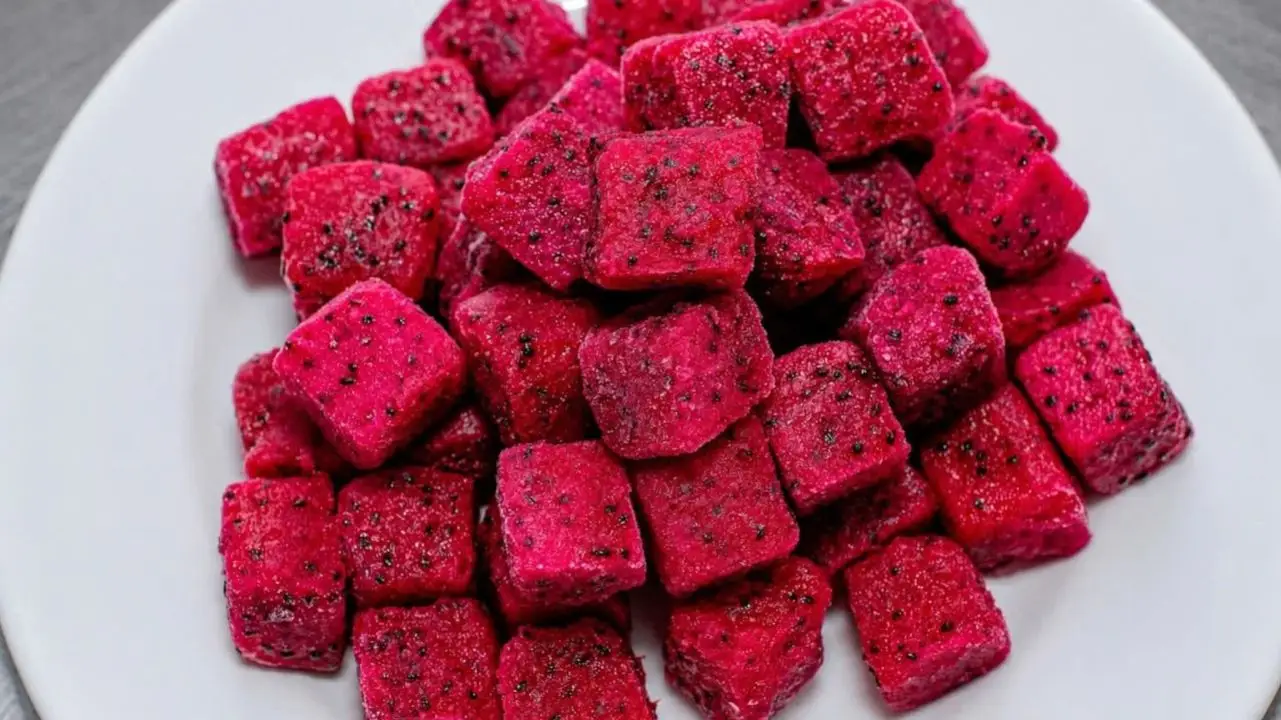
Dragon fruit is another Vietnamese tropical fruit that can be processed into frozen pieces or puree. Both white-fleshed and red-fleshed varieties are suitable for different food applications.
IQF dragon fruit can be used in smoothies, yogurt, frozen desserts, and mixed-fruit products.
Red dragon fruit is particularly appealing for its vibrant natural color, while white dragon fruit offers a mild flavor that blends easily with other ingredients.
For manufacturers selecting frozen dragon fruit, color consistency, fruit maturity, cutting dimensions, and texture after thawing are important product characteristics.
These factors can influence the appearance and performance of finished products, especially when individual fruit pieces remain visible.
As part of Vietnam’s developing frozen fruits portfolio, dragon fruit offers opportunities for businesses seeking tropical ingredients with distinctive visual characteristics.
4. Frozen Pineapple – Suitable for Beverages and Processed Foods
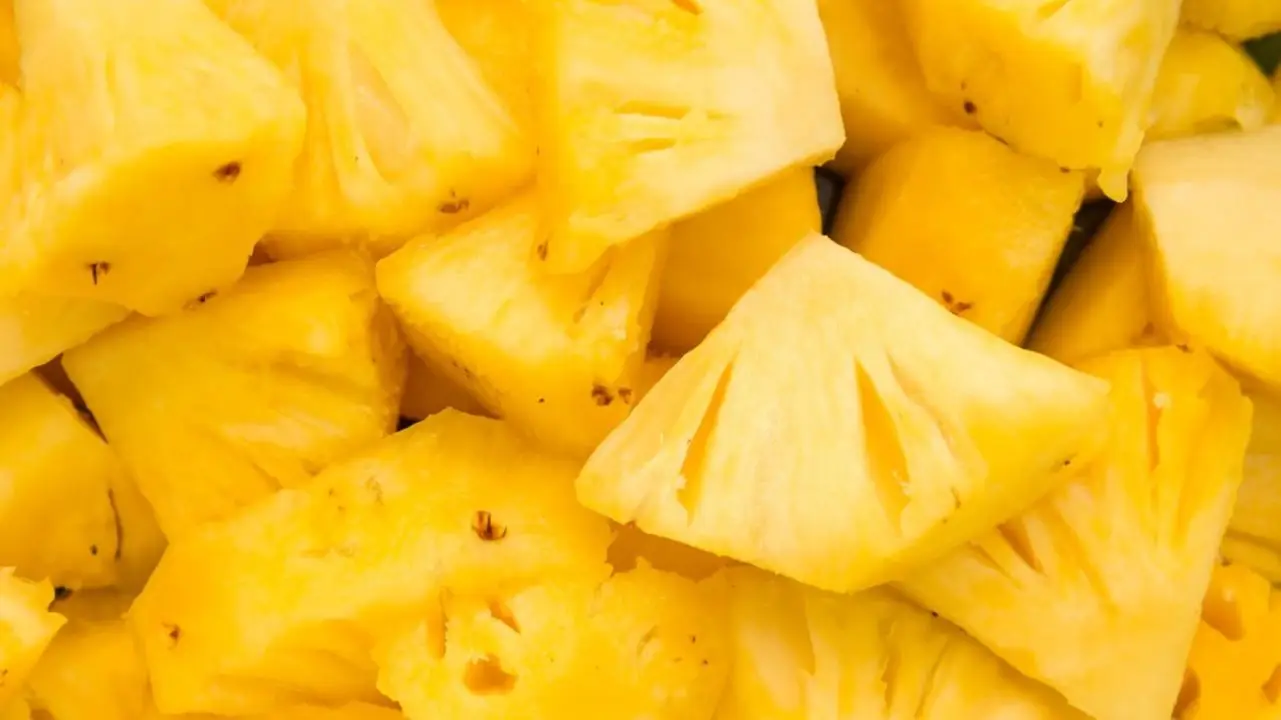
Pineapple has a recognizable tropical aroma and a balance of natural sweetness and acidity. It is commonly used in beverages, desserts, and various food manufacturing applications.
Frozen pineapple is available in formats such as chunks, slices, and diced pieces, depending on processing capabilities and buyer requirements.
These convenient formats can reduce preparation time for smoothie producers, foodservice businesses, and manufacturers of mixed-fruit products.
For international buyers, pineapple maturity, sweetness, acidity, cutting size, and product uniformity are relevant selection criteria.
Its ability to work across different recipes makes pineapple a useful addition to a commercial range of frozen fruits.
5. Frozen Passion Fruit – An Aromatic Ingredient for Beverages
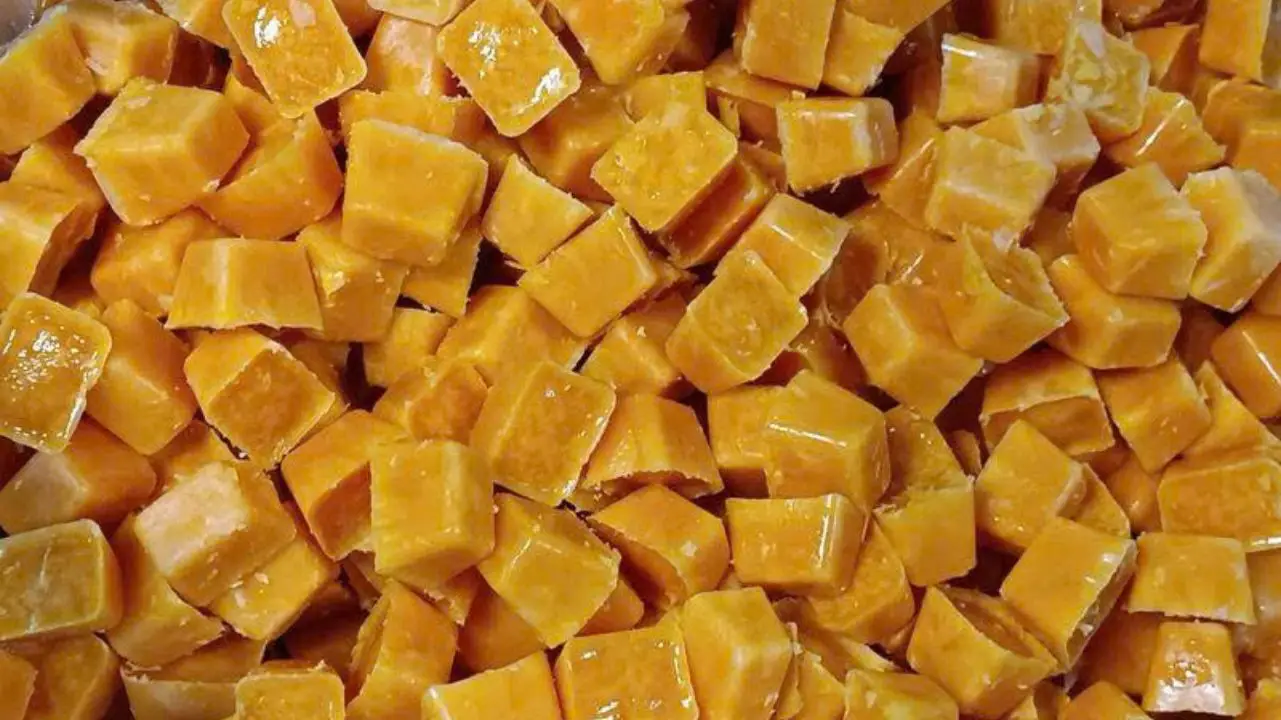
Passion fruit is valued for its pronounced acidity and distinctive aroma. It is widely used in juices, fruit beverages, desserts, sauces, and ice cream.
Unlike fruits commonly supplied as diced pieces, frozen passion fruit may be processed into pulp, puree, juice with seeds, or seedless juice.
These formats allow beverage and food manufacturers to select ingredients according to their formulations.
Important quality parameters include acidity, sweetness, aroma, seed content, and consistency between batches.
Passion fruit also combines well with other frozen tropical fruits, making it suitable for developing mixed-fruit beverages and dessert products.
Although the term IQF passion fruit appears in ingredient searches, not every frozen passion fruit product uses IQF processing. Frozen puree and juice should be identified according to their actual production methods.
6. Frozen Banana – A Convenient Ingredient for Smoothies
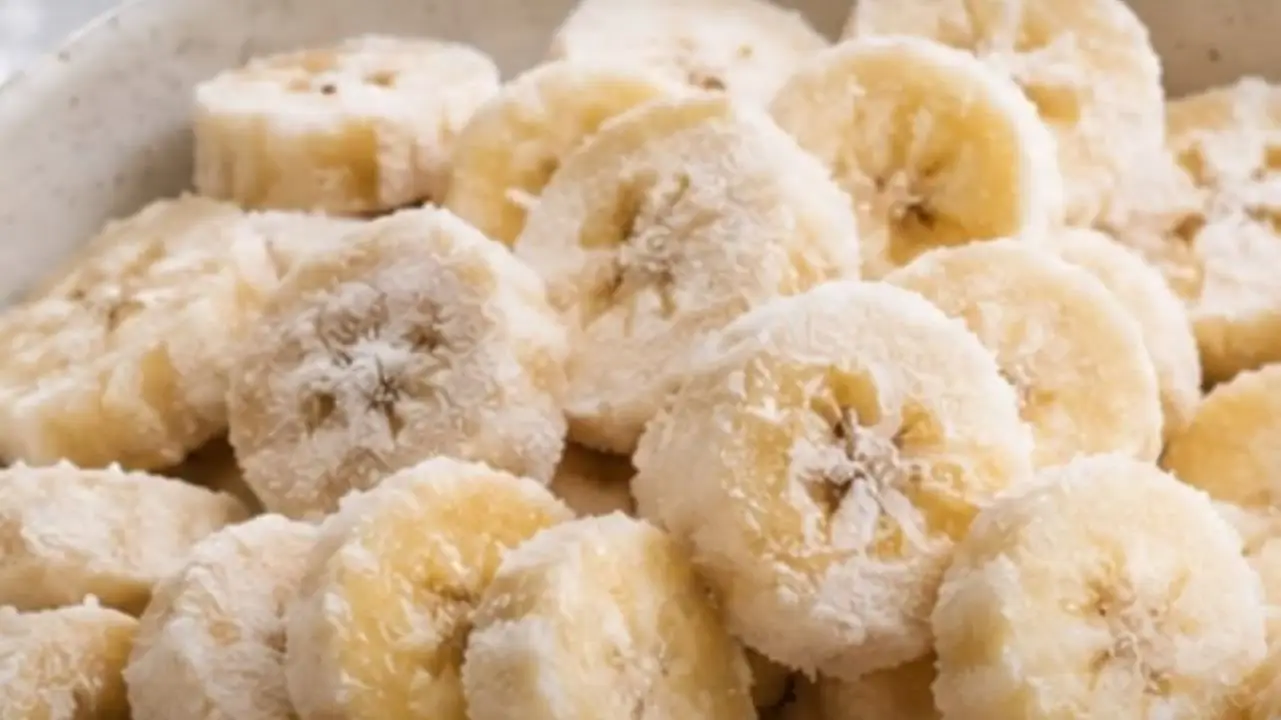
Banana has a naturally sweet flavor and soft texture, making it suitable for numerous food and beverage recipes.
Frozen banana is generally prepared by peeling the fruit and cutting it into slices or chunks before freezing.
These ingredients can be used in smoothies, banana-based ice cream, desserts, and blended food products. In some recipes, frozen banana pieces can be processed directly without complete thawing.
However, banana flesh may soften considerably after thawing, making it less suitable for applications requiring firm, intact fruit pieces.
Buyers should therefore specify preferred ripeness, color, cutting size, and intended use when selecting banana products.
Within the wider category of frozen fruits, banana is particularly relevant for manufacturers working with blended recipes and frozen desserts.
7. Frozen Coconut – Potential for Food and Beverage Manufacturing
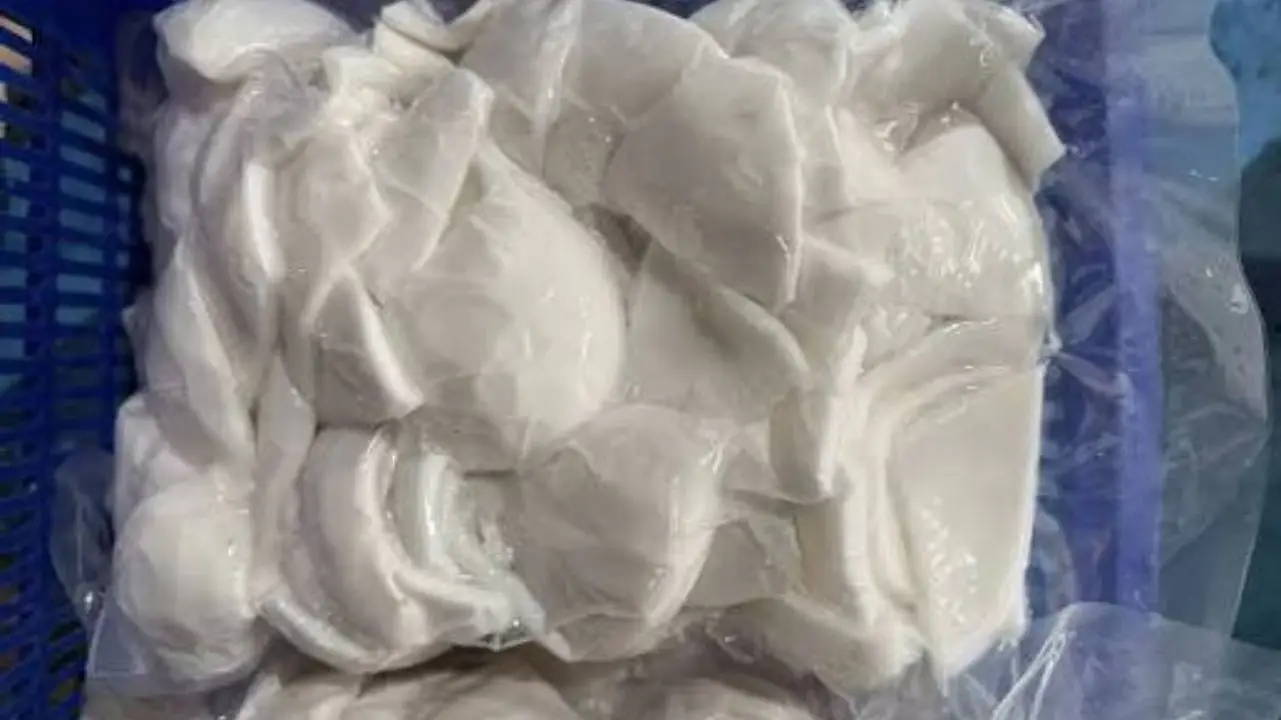
Coconut is widely used in tropical food and beverage production. In addition to coconut water, coconut milk, and dried coconut, the edible flesh can be processed into frozen ingredients.
Frozen coconut meat may be supplied in chunks, diced pieces, or shredded forms according to customer requirements.
It can be incorporated into ice cream, cakes, traditional desserts, and selected beverage products.
Using pre-processed coconut meat helps manufacturers reduce the labor required to remove the husk, crack the shell, and prepare the edible flesh.
For buyers, coconut maturity, flesh thickness, color, cutting specifications, and packaging format are important considerations.
Frozen coconut has potential in specific food processing segments, although its commercial market should be evaluated separately from coconut water, coconut milk, and dried coconut products.
How Does IQF Technology Support Frozen Fruit Quality?
Freezing technology plays an important role in the production of frozen fruits for commercial applications.
Individual Quick Freezing rapidly freezes separate fruit pieces instead of freezing the entire product into a solid block.
This method is particularly useful for products such as diced mango, pineapple chunks, and suitable dragon fruit pieces.
For food manufacturers, IQF frozen fruits offer convenient handling and portioning. Individual pieces can be measured according to production requirements, helping simplify ingredient preparation.
However, the freezing process alone does not determine overall quality. Raw material selection, hygiene, packaging, temperature control, and transportation conditions must also be managed.
Fruit purees and pulps may require different processing approaches. Buyers should therefore confirm product specifications rather than assuming that all frozen fruits are produced using IQF technology.
Key Requirements for Frozen Fruit Exports
The commercial potential of frozen fruits from Vietnam depends on the ability of suppliers to meet technical requirements and maintain consistent product quality.
Product Quality and Consistency
Different food applications require different ingredient characteristics.
Smoothie manufacturers may prioritize flavor and blending performance, while bakeries may require uniformly cut fruit pieces that behave consistently during production.
Suppliers of frozen fruits should provide suitable technical specifications covering fruit variety, ripeness, color, cutting dimensions, and relevant quality parameters.
Cold Chain Management
Proper temperature control is essential during the storage and transportation of frozen ingredients.
Many products are stored at approximately -18°C or below, although specific requirements depend on product characteristics and applicable standards.
Temperature fluctuations and unintended thawing can affect texture, appearance, and overall quality.
For frozen fruit exports, reliable cold chain management is therefore an important part of maintaining product condition throughout transportation.
Traceability and Food Safety
International buyers may require documentation relating to product origin, processing facilities, production batches, and food safety testing.
Requirements for pesticide residues, microbiological safety, labeling, and import inspections differ between destination markets.
Businesses involved in exporting frozen fruits must confirm the applicable regulations for each product and importing country.
Packaging and Supply Capabilities
Packaging formats should match the customer’s intended use, from smaller distribution packs to larger cartons for food manufacturing.
For long-term purchasing arrangements, buyers also need consistent specifications, dependable supply, and reliable delivery schedules.
These requirements are especially important for businesses purchasing wholesale frozen fruits in commercial quantities.
Market Opportunities for Frozen Fruits from Vietnam
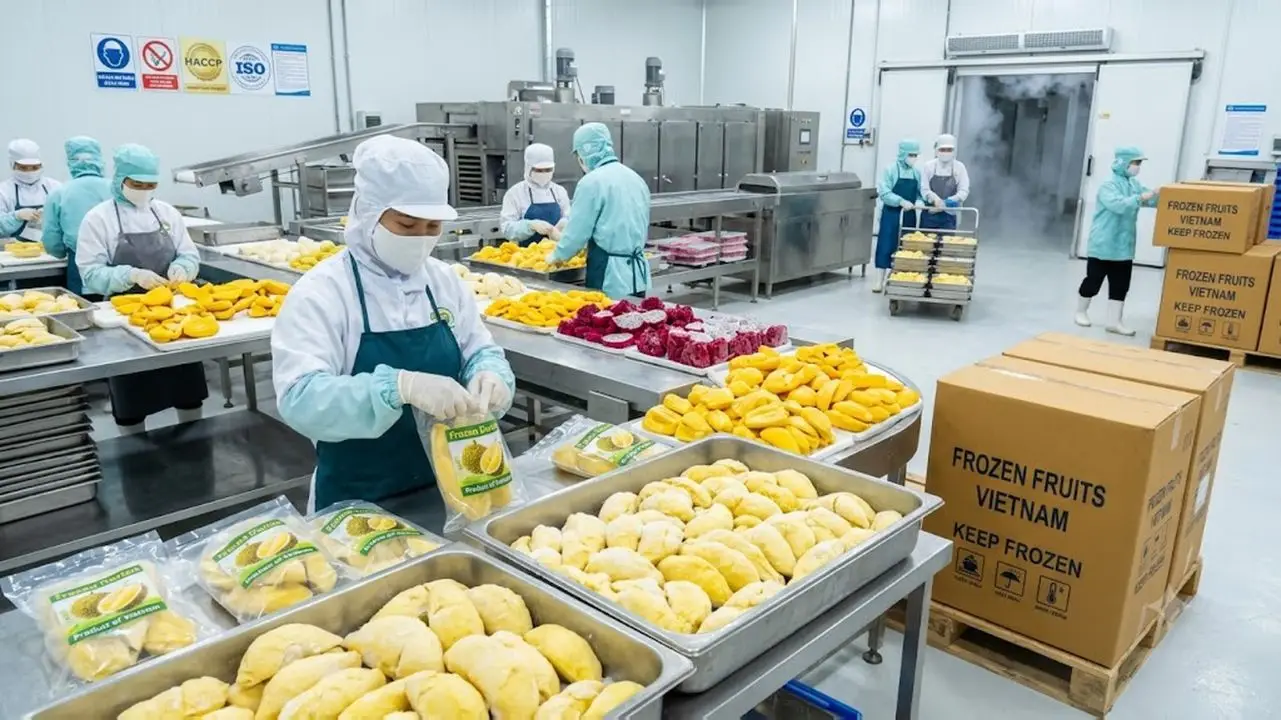
International demand for tropical food ingredients creates opportunities for businesses involved in frozen fruit exports from Vietnam.
China is a notable market for frozen durian following the establishment of formal market access under the relevant bilateral protocol. However, the conditions for this product should not automatically be applied to other fruit categories.
In Europe, the United States, Japan, and other markets with developed food processing industries, frozen fruits can be considered for use in beverages, ice cream, bakery products, and packaged foods.
Commercial opportunities vary according to fruit variety, product format, buyer requirements, import regulations, and supplier competitiveness.
Businesses exploring frozen fruit export opportunities should assess destination markets individually rather than relying exclusively on Vietnam’s overall fresh fruit or fruit-and-vegetable export figures.
How to Choose a Frozen Fruit Supplier in Vietnam
Selecting a reliable supplier is an important step for manufacturers, importers, and distributors purchasing frozen fruits in commercial quantities.
Buyers should begin by defining their required fruit varieties, processing formats, cutting specifications, packaging sizes, and estimated purchasing volumes.
Product samples and technical specification sheets help determine whether an ingredient meets the intended manufacturing requirements.
Cold chain arrangements, traceability records, food safety documentation, and consistency between production batches should also be considered.
For businesses seeking a frozen fruit supplier in Vietnam, these factors can be more important to long-term procurement than price alone.
VILIFA provides information on tropical fruit ingredients for food processing and commercial applications. International buyers looking for frozen fruits from Vietnam can contact VILIFA to discuss product availability, packaging specifications, and suitable supply arrangements.
Conclusion
Vietnam’s diverse agricultural resources create opportunities to develop value-added frozen fruits for international food and beverage industries.
Mango, durian, dragon fruit, pineapple, passion fruit, banana, and coconut each offer different processing characteristics and potential applications.
However, sustainable frozen fruit exports depend on consistent quality, suitable freezing methods, reliable cold chain management, and compliance with importing-market requirements.
If your business is sourcing wholesale frozen fruits for manufacturing, distribution, or international trade, contact VILIFA to learn more about available tropical fruit ingredients and potential supply options.