

Bao Loc coffee has long been associated with one of Vietnam’s well-established Robusta-growing regions. For coffee roasters, importers and F&B businesses looking for a stable supply of coffee for additive-free roasting, an important question is: what makes Robusta from Bao Loc different from other growing regions in Vietnam’s Central Highlands, and why can this area be suitable for roasting and wholesale sourcing?
This article looks at Bao Loc Robusta coffee from a professional sourcing perspective, covering growing conditions, bean characteristics, supply-chain advantages and commercial considerations.
If you are looking for a stable source of green coffee beans from Vietnam, the following factors can help you better understand the potential of this growing region.
Geographic Location and Growing Conditions of Bao Loc Coffee
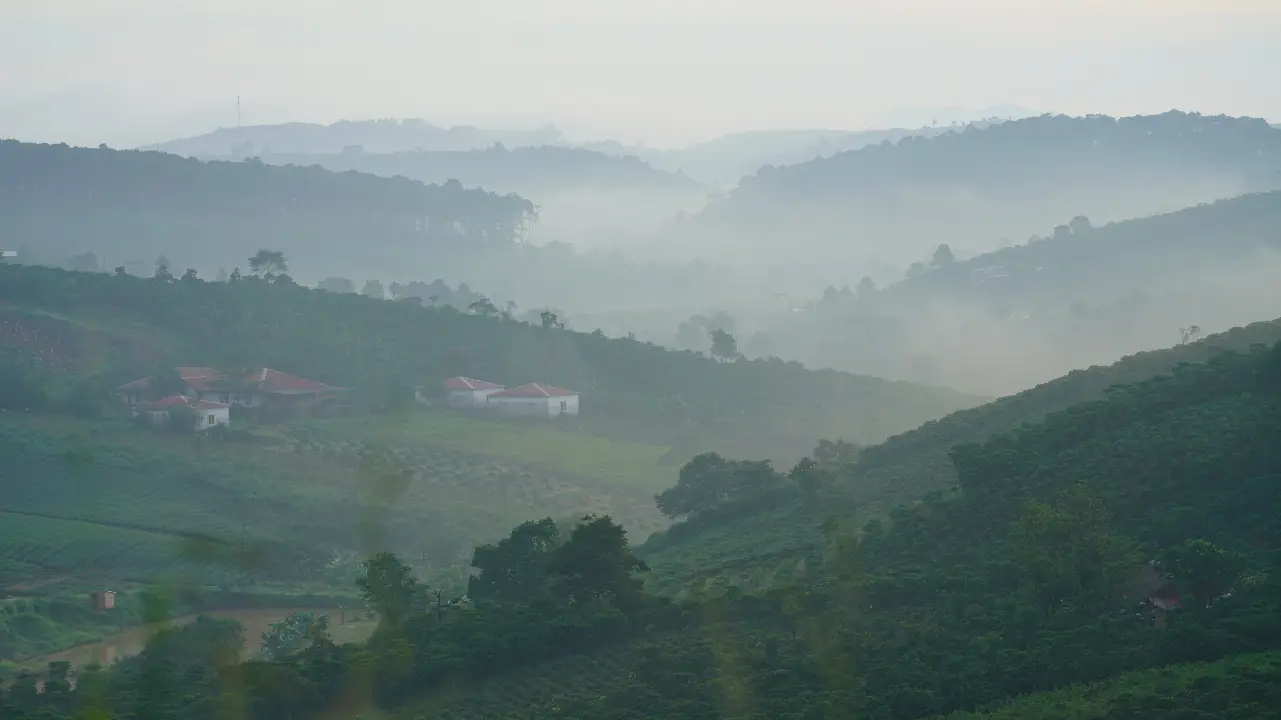
Bao Loc is located in the southern part of Lam Dong Province, within the Di Linh–Bao Loc plateau area. The region has a highland landscape and relatively cool conditions compared with many lower-altitude Robusta-growing areas.
The combination of elevation, temperature, rainfall and basaltic soils creates favorable conditions for coffee cultivation.
Bao Loc has a relatively mild climate with fairly distinct rainy and dry seasons. Together with the basaltic soils commonly found across Lam Dong and Vietnam’s Central Highlands, these conditions can support stable Robusta development when cultivation, harvesting and post-harvest processing are properly managed.
Unlike some large-scale Robusta production areas that focus heavily on maximizing volume, many coffee farms around Bao Loc have a long history of cultivation and operate on small to medium-sized plots.
For sourcing companies, this production structure can provide opportunities for closer raw-material control, lot-based traceability and more consistent bean selection when supported by an appropriate supply-management system.
Characteristics of Bao Loc Robusta for Additive-Free Roasting
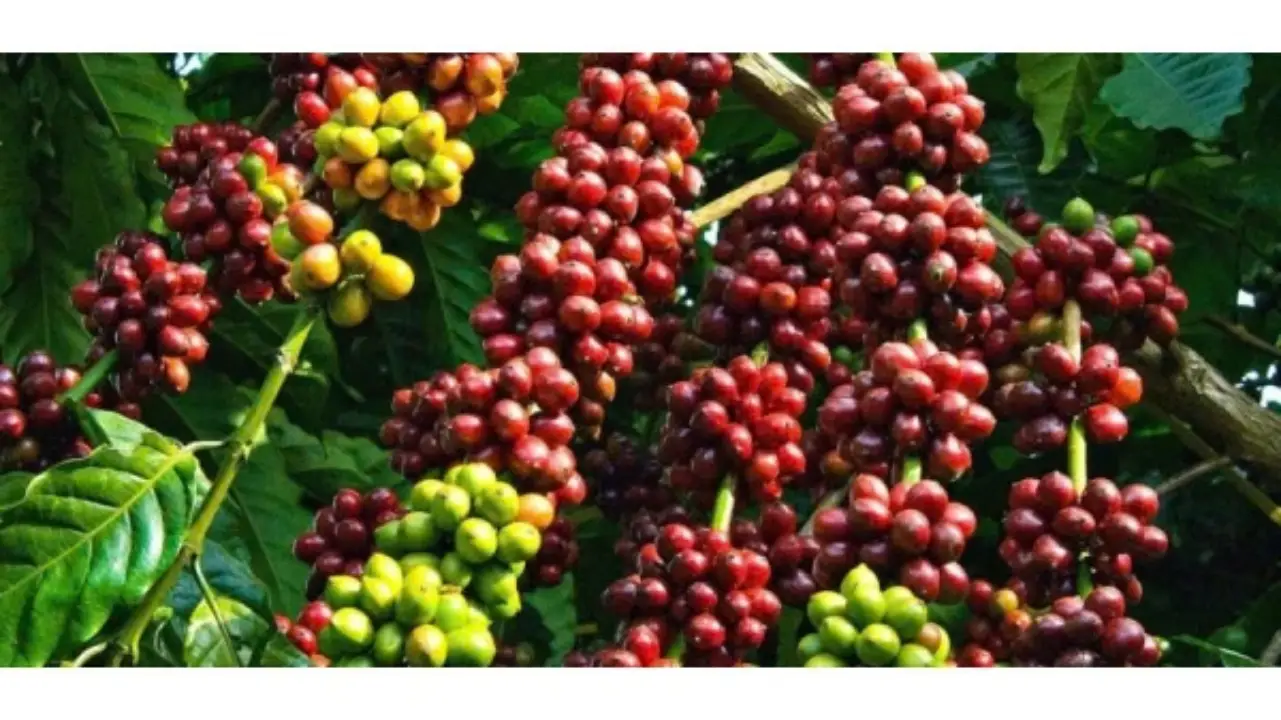
For businesses focused on additive-free coffee roasting — roasting coffee without adding butter, sugar, flavorings or other additives — the quality of green coffee beans has a direct impact on the finished product.
Bao Loc Robusta coffee can offer several characteristics worth considering when sourcing beans for roasting.
Bean Size and Screen Classification
Bean size and uniformity are important criteria for professional roasters.
Depending on the crop season, sourcing area and grading process, Bao Loc Robusta can be supplied in different screen sizes. Larger-screen lots may be preferred when buyers require greater uniformity.
For roasters, relatively consistent bean size can support more even heat transfer during roasting and reduce differences in bean development within the same batch.
Therefore, buyers sourcing Robusta green coffee beans should evaluate the actual specification of each lot rather than relying solely on the name of the growing region.
Important criteria may include:
- Screen size
- Bean uniformity
- Defect rate
- Moisture
- Processing method
- Crop year
- Packaging specification
These factors provide a more reliable basis for evaluating a commercial lot.
Caffeine Content and Bean Structure
Robusta naturally contains more caffeine than Arabica and is generally associated with a fuller body and more pronounced bitterness after roasting.
When Bao Loc Robusta is properly harvested, processed and stored, roasters can develop profiles with strong flavor intensity, good body and a more balanced finish.
However, the final cup profile is not determined by growing region alone.
It can also be influenced by:
- Coffee variety
- Cherry maturity at harvest
- Processing method
- Storage conditions
- Green-bean quality
- Roast profile
For this reason, commercial buyers should evaluate physical specifications together with actual roast and cup tests.
Moisture and Storage Stability
Moisture is one of the key parameters that should be controlled when purchasing green coffee beans, particularly when the product will be stored for an extended period or transported by sea.
Actual moisture levels can vary from one lot to another depending on drying methods, weather conditions and storage practices.
Importers and roasters should therefore request the specific moisture information stated in the specification for each lot and, where necessary, verify it again before warehousing or export.
This is particularly relevant for green coffee beans wholesale, where shipment volumes and storage periods can be significantly greater than in small retail transactions.
Supply Chain and Wholesale Sourcing Advantages in Bao Loc
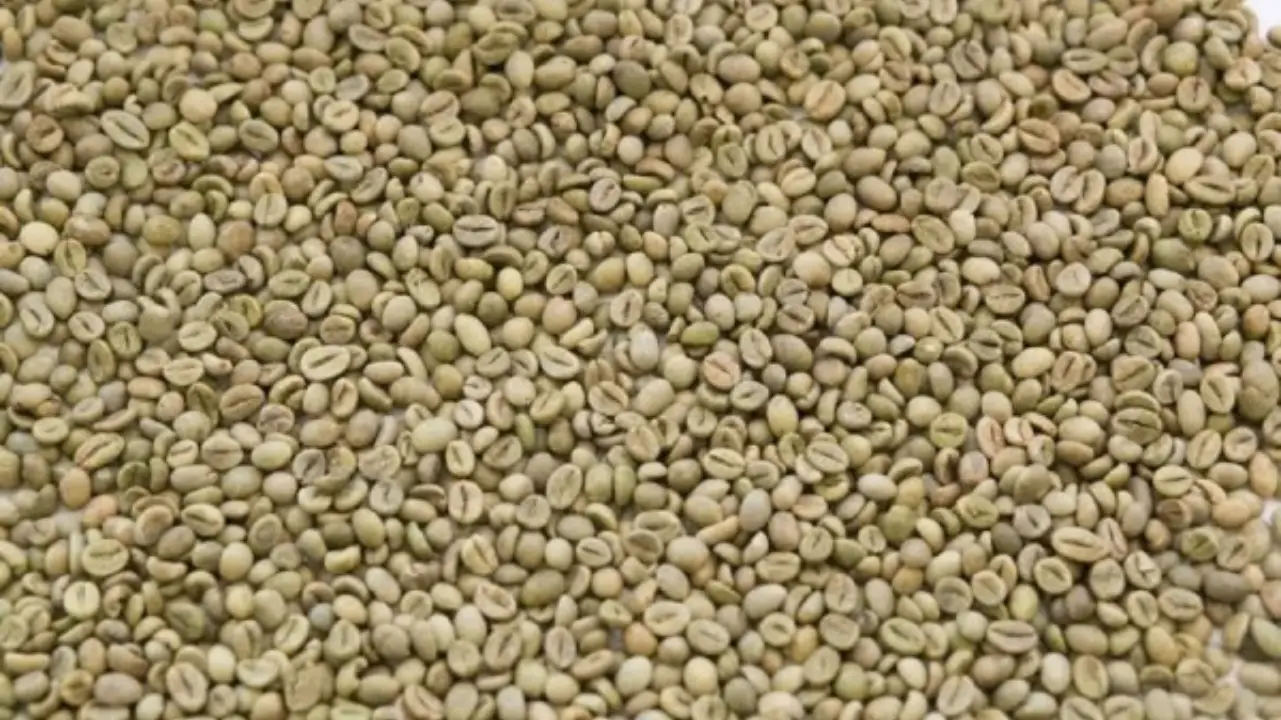
For importers and distributors, agricultural quality is only one part of the sourcing equation.
Supply consistency, lot management and quality-control capability are equally important when developing long-term supply relationships.
Established Coffee Processing Ecosystem
Bao Loc is part of one of Lam Dong’s long-established Robusta coffee production areas.
The region has developed a network of coffee-processing facilities, dry mills and storage operations serving the local coffee industry.
This infrastructure can help shorten the journey from harvesting and primary processing to the preparation of green beans for commercial distribution or export.
For wholesale buyers, sourcing in an established coffee-producing area can also provide access to recently processed beans without relying entirely on multiple layers of intermediaries.
However, actual quality and freshness still depend on the individual supplier, processing schedule and storage system.
Lot-Based Traceability
Depending on the sourcing model, coffee from Bao Loc may be managed according to:
- Sourcing area
- Farmer group
- Cooperative
- Processing facility
- Production lot
When suppliers operate a clear lot-management system, buyers may be able to request separation according to growing area, processing method or quality specification.
Lot-based traceability is increasingly important for international buyers as many markets and customers place greater emphasis on transparency throughout agricultural supply chains.
For professional sourcing, buyers should determine whether the supplier can connect each shipment to relevant information such as:
- Lot number
- Sourcing area
- Processing method
- Crop year
- Quality specification
- Warehouse records
The level of traceability available should be clarified before finalizing a commercial order.
Stable Annual Supply Base
Bao Loc and surrounding areas form part of Lam Dong’s long-established coffee-producing region.
A mature network of farmers, processors, storage facilities and coffee traders provides businesses with different sourcing options during each crop season.
However, both production volume and quality can still vary according to weather, harvest conditions and farming practices.
Long-term contracts should therefore be supported by a clear supply plan and agreed specifications for each lot rather than assuming that every crop will be identical.
Bao Loc Robusta vs. Other Vietnamese Coffee-Growing Regions
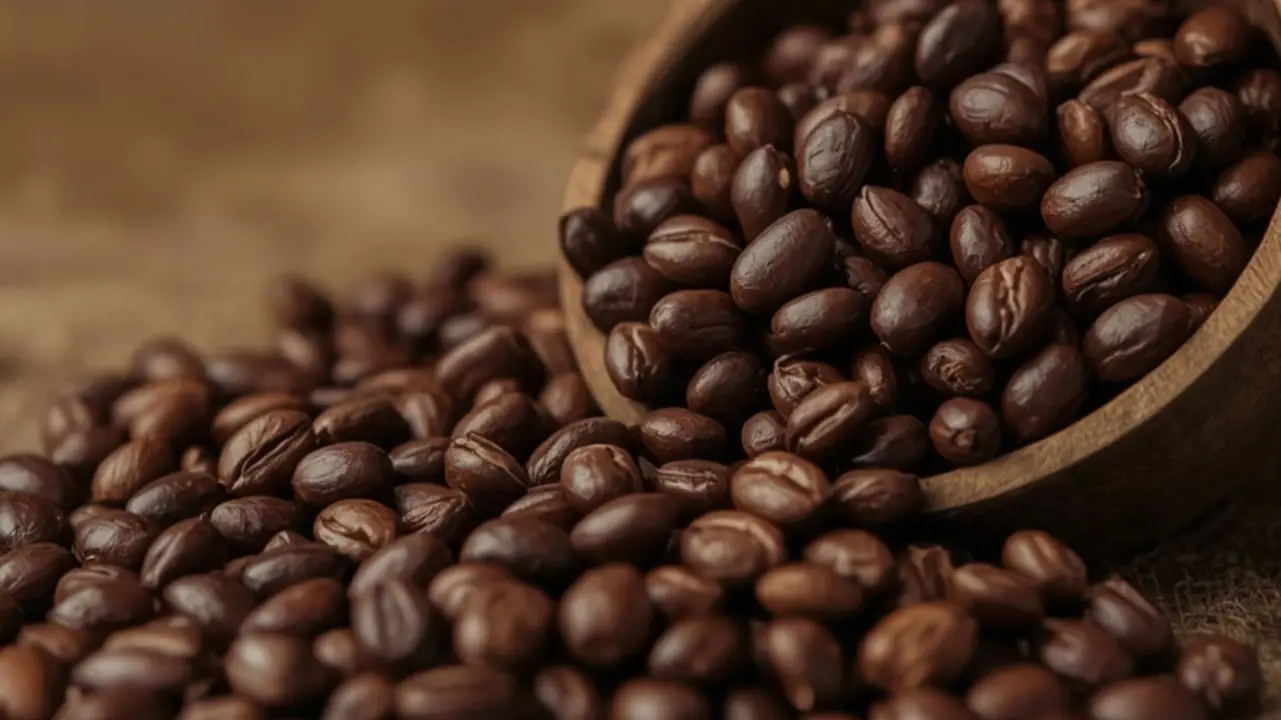
To understand the commercial position of Bao Loc coffee, it can be useful to compare the region with other major Robusta-producing areas in Vietnam.
The following table provides a general comparison from a sourcing perspective.
| Criteria | Bao Loc Robusta – Lam Dong | Dak Lak Robusta | Gia Lai Robusta |
|---|---|---|---|
| Supply scale | Medium scale, suitable for orders that require batch-level control | Very large, suitable for high-volume demand | Large, with relatively stable commercial supply |
| Sourcing and processing ecosystem | Well developed and connected to Lam Dong’s coffee-growing areas | Highly developed, with a strong sourcing and export network | Well developed, with many processing and trading facilities |
| Ability to build customized supply | Strong advantage for buyers requiring specific grades, specifications, and batch-level quality control | Suitable for large orders that require continuous supply | Suitable for commercial buyers that need consistent volume |
| Flexibility | Relatively flexible for orders requiring specific grading, specifications, and quality control | Strong in volume and more suitable for larger-scale demand | Suitable for orders that prioritize stable and consistent supply |
| Best suited for | Businesses that need traceable, batch-controlled coffee with consistent specifications | Businesses that require large volumes and continuous supply | Businesses looking for stable commercial Robusta supply |
| Key advantage | Strong potential for controlled sourcing and close connection to Lam Dong’s coffee production base | Strongest advantage in production scale and supply capacity | Strong advantage in commercial volume and supply reliability |
Each Robusta-growing region has its own commercial advantages, and coffee quality should not be evaluated based solely on geographic origin.
For Bao Loc, the main points of interest include its established production ecosystem, access to different commercial specifications and the potential to develop controlled lot-based sourcing.
Final quality should still be assessed through actual samples and the technical specification of each lot.
Why Bao Loc Coffee Can Be Suitable for Roasters and Wholesale Buyers
From the operational perspective of a coffee roaster or distributor, selecting a sourcing region involves more than sensory characteristics.
Businesses also need to consider cost efficiency, quality consistency and practical supply-chain requirements.
Optimizing Processing Costs
For additive-free roasters, well-graded green coffee with low foreign-material content and a controlled defect rate can reduce the need for additional cleaning and sorting before roasting.
However, this should not be considered an automatic characteristic of every Bao Loc coffee lot.
The result depends directly on:
- Supplier sourcing standards
- Grading process
- Processing system
- Storage conditions
- Agreed specification
For this reason, buyers should define the specification clearly before confirming an order.
A clear green coffee specification can help businesses control both product quality and operational loss.
Meeting Demand for Pure Coffee Products
Consumers are increasingly interested in coffee made from roasted beans without unnecessary additives or flavoring agents.
For businesses developing this type of product, Robusta can provide the body and bitterness associated with traditional Vietnamese coffee.
Properly selected and roasted Bao Loc Robusta coffee can be used as a base for products such as:
- Black coffee
- Vietnamese phin coffee
- Espresso
- Espresso blends
- Cold brew
- Commercial roasted coffee products
The actual flavor result still depends on the quality of the green beans and the selected roast profile.
Value of Growing-Origin Communication
The name “Bao Loc coffee” already has a certain level of recognition in Vietnam’s domestic coffee market.
For F&B businesses, roasters and distributors developing products with clear sourcing stories, identifying a specific growing area can support product communication and improve transparency.
However, origin should be supported by actual sourcing information and lot traceability rather than being used simply as a marketing claim.
For international buyers, combining origin information with technical specifications can make the sourcing story more credible.
What to Consider When Sourcing Bao Loc Coffee for Roasting
Even when coffee comes from an established growing region, buyers should maintain clear quality-control requirements to ensure each shipment meets the intended specifications.
Define Quality Specifications Clearly
Before purchasing, buyers should establish the required criteria, including:
- Screen size
- Moisture
- Defect rate
- Processing method
- Crop year
- Packaging
- Lot identification
The processing method can also affect the final cup profile.
Wet-processed coffee may produce a cleaner and more defined sensory profile, while dry processing can create a different body and flavor character.
The appropriate method should therefore be selected according to the type of roasted product the buyer intends to develop.
For professional buyers, the specification should ideally be agreed upon before the purchase order is finalized.
Request a Representative Sample Before Confirming the Order
For wholesale orders, buyers should request a representative sample of the actual lot whenever possible before making a final purchasing decision.
In addition to inspecting the green beans, roasters can conduct sample roasting under the same roast profile to compare different lots.
Evaluation criteria may include:
- Roast uniformity
- Dry aroma
- Body
- Bitterness
- Acidity
- Aftertaste
- Sensory defects
Once both parties agree on a sample, retaining a reference sample can provide a useful benchmark when the commercial shipment is delivered.
This is particularly important when purchasing large quantities of wholesale Robusta coffee.
Work With Suppliers That Maintain Suitable Storage Conditions
Green coffee beans should be stored in dry and clean conditions and protected from excessive moisture, foreign odors and other environmental factors that could affect quality.
When evaluating a supplier, businesses may want to review:
- Warehouse conditions
- Pallet arrangement
- Bagging method
- Lot-management system
- Inventory rotation
- Shipment procedures
For export shipments, these factors become especially important because the period between warehouse release, port handling and ocean transportation can be relatively long.
Proper storage is therefore an important component of maintaining green coffee quality throughout the supply chain.
Conclusion
Bao Loc coffee is a noteworthy Robusta source in Lam Dong thanks to its long-established coffee-growing base, developed sourcing and processing ecosystem, and ability to supply different green-bean specifications for roasting, distribution and export.
However, geographic origin is only one component of coffee quality.
For coffee roasters, importers and wholesale buyers, sourcing decisions should still be based on the actual technical specifications of each lot, including:
- Processing method
- Moisture
- Defect rate
- Bean size
- Crop year
- Storage conditions
- Sample-roasting results
Businesses interested in understanding more about Vietnam’s agricultural supply chain can learn more about VILIFA.
VILIFA supplies coffee from Vietnam to roasters, importers and F&B businesses. Depending on market requirements, our team can discuss growing regions, bean specifications, processing methods, packaging and technical requirements suitable for individual orders.