
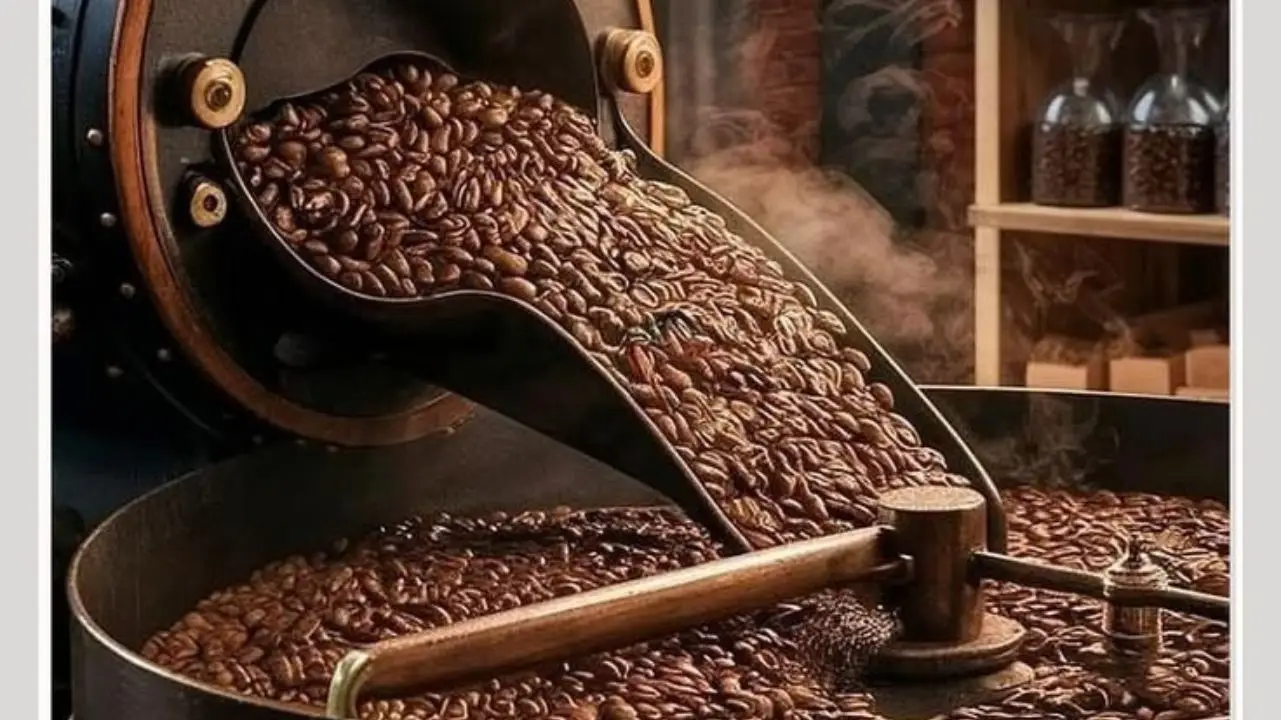

Building your own coffee brand does not necessarily mean investing in roasting machines, production facilities and an in-house technical team.
With private label coffee and OEM coffee services, cafés, distributors and online brands can develop coffee products under their own name while working with an experienced production partner for roasting, grinding and packaging.
This model allows businesses to focus on branding, sales and market development while the production partner handles the manufacturing process according to agreed specifications.
For businesses looking to enter the coffee market or expand an existing product portfolio, private label production can provide a practical path from product concept to commercial launch.
What Is Private Label Coffee Roasting?
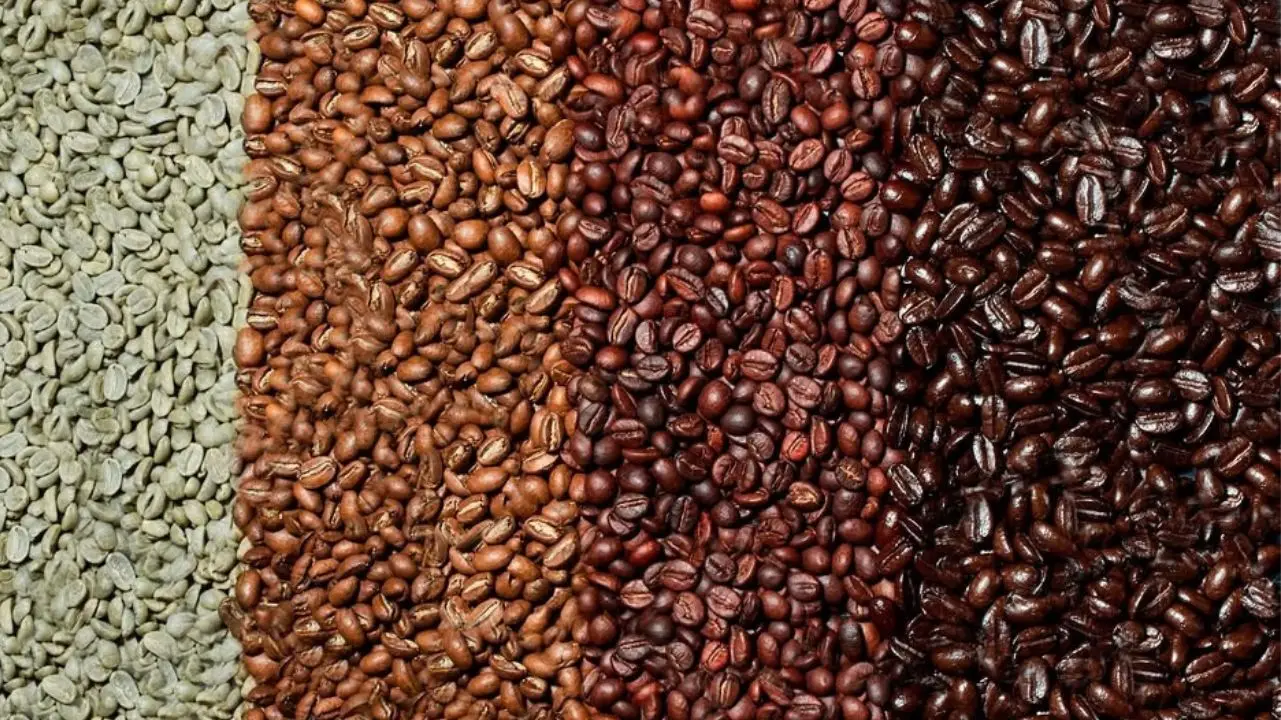
Private label coffee roasting is a production model in which a coffee manufacturer roasts, grinds and packages coffee according to the requirements of another business.
The finished product is then sold under the buyer’s own brand.
Depending on the project, the buyer may specify:
- Coffee origin
- Robusta, Arabica or blend
- Blend ratio
- Roast level
- Grind size
- Target flavor profile
- Packaging size
- Label design
- Order quantity
The production partner is responsible for carrying out the agreed manufacturing process and maintaining product consistency.
This is different from simply buying an existing coffee product and reselling it. With OEM coffee or private label production, businesses have greater control over product characteristics, packaging and brand identity.
Who Is Private Label Coffee Suitable For?
Private label coffee is particularly suitable for:
- Cafés: Businesses that want a signature coffee profile under their own brand.
- Distributors: Companies looking for a stable supply of branded coffee for wholesale or retail channels.
- Online brands: Businesses selling through e-commerce platforms, websites or social media.
- Hotels and restaurants: Businesses that want coffee products carrying their own brand identity.
- Corporate buyers: Companies developing coffee as a gift or branded merchandise product.
Why Choose Coffee Roasting Services Instead of Producing In-House?
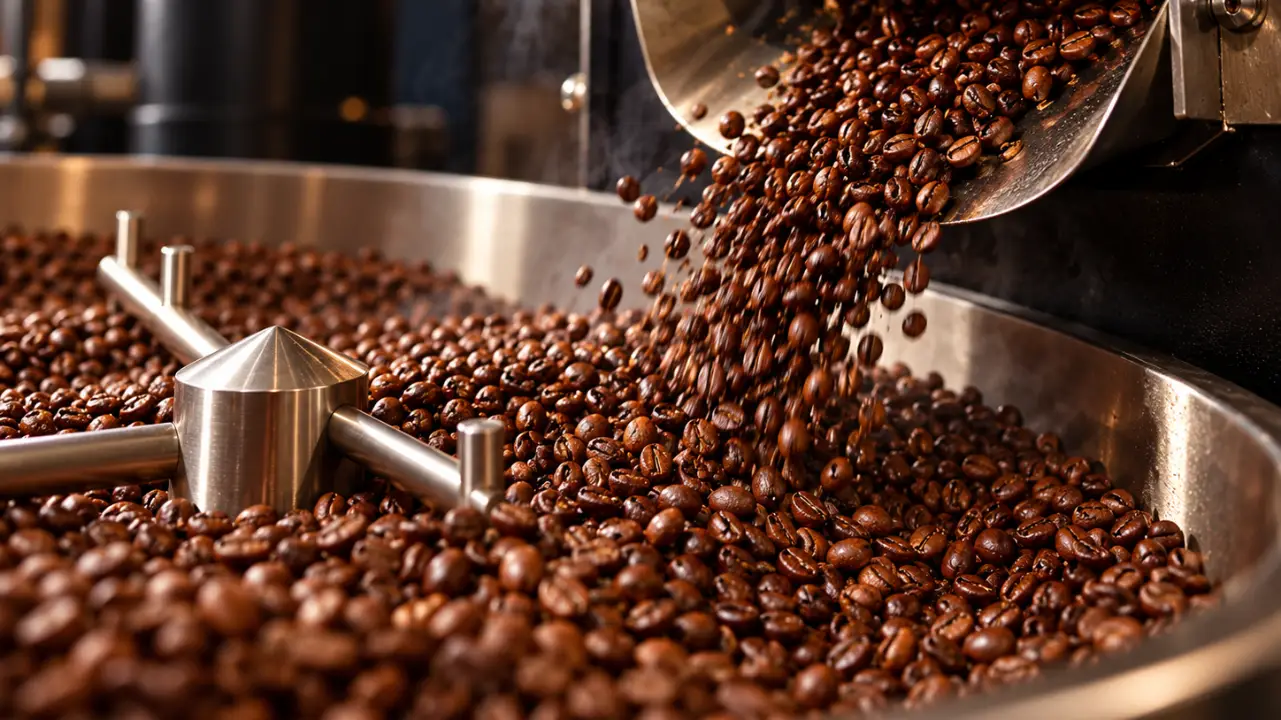
Operating a coffee roasting facility involves much more than purchasing a roasting machine.
A business may also need grinders, ventilation systems, storage areas, packaging equipment, trained staff and appropriate food-safety procedures.
For a new coffee brand, these investments can create significant fixed costs before the product has been validated in the market.
Using professional coffee roasting services allows businesses to work with existing production capacity instead.
Reduce Initial Investment
Instead of investing heavily in machinery and facilities, businesses can order coffee based on actual sales demand.
This can make it easier to test a new product line before committing to larger production infrastructure.
Focus on Brand and Sales
With production handled by an external partner, businesses can concentrate on activities that directly support market growth, including:
- Brand development
- Marketing
- Distribution
- Customer service
- E-commerce
- Sales channel expansion
Access Roasting Expertise
Coffee roasting requires control over temperature, time and roast development.
Different beans also respond differently during roasting.
An experienced roasting partner can help businesses develop a roast profile that suits the desired brewing method and flavor direction.
Scale Production Gradually
A new brand may begin with relatively small production runs and increase volume as demand develops.
Actual minimum order quantities depend on the production partner, coffee type, packaging and level of customization.
Private Label Coffee Production Process
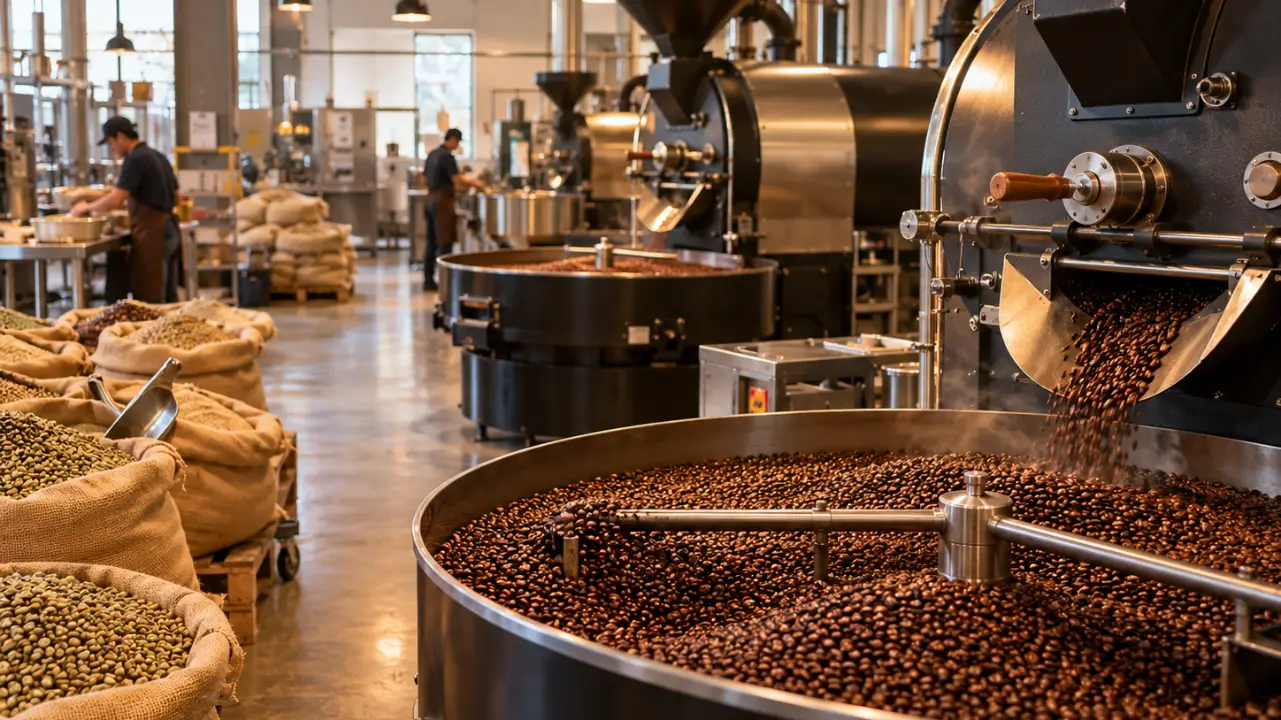
A professional private label project should begin with a clear product brief.
Step 1: Define the Coffee Specification
The buyer and production partner first determine the key characteristics of the product.
These may include:
- Robusta, Arabica or a blend
- Coffee origin
- Blend ratio
- Light, medium or dark roast
- Whole bean or ground coffee
- Grind size
- Brewing method
- Target aroma and flavor
- Package size
For cafés, the coffee should also be developed around the actual brewing equipment and beverage menu.
Coffee for Vietnamese phin, espresso and cold brew may require different combinations of roast level and grind size.
Step 2: Sample Roasting and Approval
Before commercial production, sample roasting allows the buyer to evaluate the product.
Rather than approving coffee based only on a written description, businesses should test the sample using the same brewing method that will be used in actual operations.
The approved sample can then serve as a reference for future production batches.
Important evaluation points may include:
- Aroma
- Body
- Bitterness
- Acidity
- Aftertaste
- Balance
- Performance with milk or other ingredients
Step 3: Coffee Packaging and Label Preparation
Coffee packaging plays two roles: protecting the product and communicating the brand.
Typical package sizes may include:
- 250 g
- 500 g
- 1 kg
- Larger commercial formats
The packaging should provide the required product information and be suitable for the intended sales channel.
Depending on the market, information may include product name, ingredients, net weight, production information, storage instructions and business details.
For international orders, labeling requirements should be reviewed according to the destination market.
Step 4: Roasting, Grinding and Packing
After the sample, specifications and packaging have been approved, production can begin.
Coffee is roasted according to the agreed profile, cooled and either packed as whole beans or ground to the required size.
The final product is then packed according to the agreed format.
Production time varies depending on:
- Order volume
- Roast requirements
- Packaging
- Label preparation
- Production schedule
For this reason, lead time should be confirmed for each order rather than assumed to be the same for every project.
Step 5: Delivery and Repeat Orders
Once the product has been approved and production parameters are established, repeat orders are generally easier to manage.
The supplier should maintain relevant product specifications and reference samples to help improve consistency between production batches.
What Affects the Cost of Private Label Coffee?
There is no single price for private label coffee because production cost depends on multiple factors.
| Factor | How It Affects Cost |
|---|---|
| Coffee type | Robusta, Arabica and specialty-grade beans have different raw-material costs |
| Origin | Growing region and sourcing requirements influence bean prices |
| Blend ratio | Different Robusta-Arabica combinations affect overall cost |
| Roast profile | Customized roasting may require additional development |
| Whole bean or ground | Grinding adds another processing step |
| Coffee packaging | Pouch type, size, printing and labels affect unit cost |
| Order quantity | Larger orders generally improve production efficiency |
| Customization | More product development normally requires more sampling and coordination |
Packaging can be particularly important for smaller brands because custom-printed bags may have their own minimum order quantities.
For this reason, businesses should calculate the total finished-product cost, not only the price of roasted coffee per kilogram.
Private Label Coffee vs. Wholesale Roasted Coffee Beans
Businesses should distinguish between private label production and buying wholesale roasted coffee beans.
Wholesale roasted coffee is usually suitable when a buyer wants an existing product specification in commercial quantities.
Private label coffee is more appropriate when the business wants to build a distinct branded product.
With wholesale coffee, customization may be limited.
With private label production, buyers may be able to define:
- Bean selection
- Blend
- Roast level
- Grind size
- Package format
- Branding
For some businesses, the best approach is to begin with a proven wholesale specification and move toward greater customization as sales volume grows.
How to Choose a Private Label Coffee Manufacturer
Selecting a production partner should involve more than comparing price quotations.
1. Production Capability
Ask whether the manufacturer can consistently handle your required volumes.
Important questions include:
- Roasting capacity
- Production schedule
- Grinding capability
- Packaging capability
- Ability to handle repeat orders
2. Coffee Quality and Raw Material Transparency
A reliable supplier should be able to explain the basic characteristics of the coffee being used, such as:
- Bean type
- Growing region
- Processing method
- Crop information where relevant
- Quality specification
Sampling different beans before finalizing a formula can also help businesses make a better product decision.
3. Custom Roasting Capability
A flexible custom coffee roasting partner should be able to discuss more than simply “light” or “dark.”
The roast should support the target product and brewing method.
For example, coffee developed for espresso may require a different approach from coffee intended for traditional Vietnamese phin brewing.
4. Coffee Packaging Options
Ask the supplier what packaging formats are available and whether the business can provide its own packaging.
Important considerations include:
- Net weight
- Bag structure
- Valve options
- Labels
- Custom printing
- Minimum packaging quantities
Packaging should protect the coffee from moisture, oxygen, heat and external odors.
5. Quality Control
Before commercial production, both sides should agree on the product specification.
For repeat orders, maintaining an approved reference sample can help evaluate consistency between batches.
Businesses may also want to discuss:
- Batch identification
- Retained samples
- Product testing
- Complaint procedures
- Traceability
6. Clear Pricing and MOQ
Before confirming an order, ask for a clear quotation covering the relevant components.
These may include:
- Coffee beans
- Roasting
- Grinding
- Packaging
- Labels
- Printing
- Product development
- Testing
- Logistics
MOQ should also be confirmed according to the specific product and packaging format.
There is no universal MOQ that applies to every private label coffee project.
Important Considerations for Building a Private Label Coffee Brand
Product Consistency
A successful coffee brand needs more than a good first sample.
The product should remain reasonably consistent when the business places repeat orders.
For this reason, businesses should confirm the final formula and keep a reference sample after approval.
Brand Positioning
Private label coffee should have a clear target customer.
Before selecting beans or roast levels, determine whether the brand is positioned for:
- Traditional Vietnamese coffee
- Specialty-style coffee
- Office consumption
- Premium gifting
- Café service
- Online retail
- Wholesale distribution
The target market should guide product development rather than being decided after production.
Packaging
For retail and e-commerce brands, packaging strongly influences first impressions.
The package should communicate the positioning of the brand while also protecting coffee quality during storage and distribution.
Legal and Labeling Requirements
Businesses should confirm the legal, food-safety and labeling requirements applicable to the country where the coffee will be sold.
Requirements can vary between domestic retail and international export markets.
For export orders, destination-market requirements should therefore be clarified before commercial production begins.
OEM Coffee for Export and B2B Buyers
For international buyers, OEM coffee can be developed for multiple business models, including:
- Private label retail products
- Café chains
- Foodservice
- Distributors
- Importers
- Corporate gifting
- E-commerce brands
Commercial buyers should provide as much information as possible when requesting a quotation.
A useful request for quotation should include:
- Coffee type
- Preferred origin
- Roast level
- Whole bean or ground
- Grind specification
- Estimated quantity
- Packaging size
- Private label requirements
- Destination market
- Destination port
- Required documents or certifications
The clearer the product requirement, the easier it is for the supplier to evaluate production feasibility and provide an accurate quotation.
Looking for Private Label Coffee from Vietnam?
Private label production can help cafés, distributors and online brands launch coffee products without building an entire roasting facility from the beginning.
The key is not simply finding the lowest roasting price.
A strong private label project requires the right combination of coffee quality, roasting consistency, coffee packaging, production flexibility and clear communication.
VILIFA works with business customers looking for roasted coffee products from Vietnam. Depending on the project, requirements such as coffee type, roast level, grind size, packaging and order quantity can be discussed before production.
If you are looking for private label coffee, OEM coffee or wholesale roasted coffee beans, send VILIFA your product requirements so the team can review the specifications and discuss an appropriate supply solution.