

Soursop is a popular tropical fruit known for its soft flesh, balanced sweet-and-sour taste, and distinctive aroma. Besides being eaten fresh, soursop fruit can also be used as an ingredient in smoothies, juices, ice cream, yogurt, and a wide range of processed food products.
As demand for more diverse agricultural products continues to grow, soursop offers various opportunities for both the consumer market and the food industry. Understanding soursop nutrition, potential health benefits, and processing applications can help both consumers and businesses make more informed decisions when choosing ingredients and developing suitable products.
Overview of Soursop Fruit
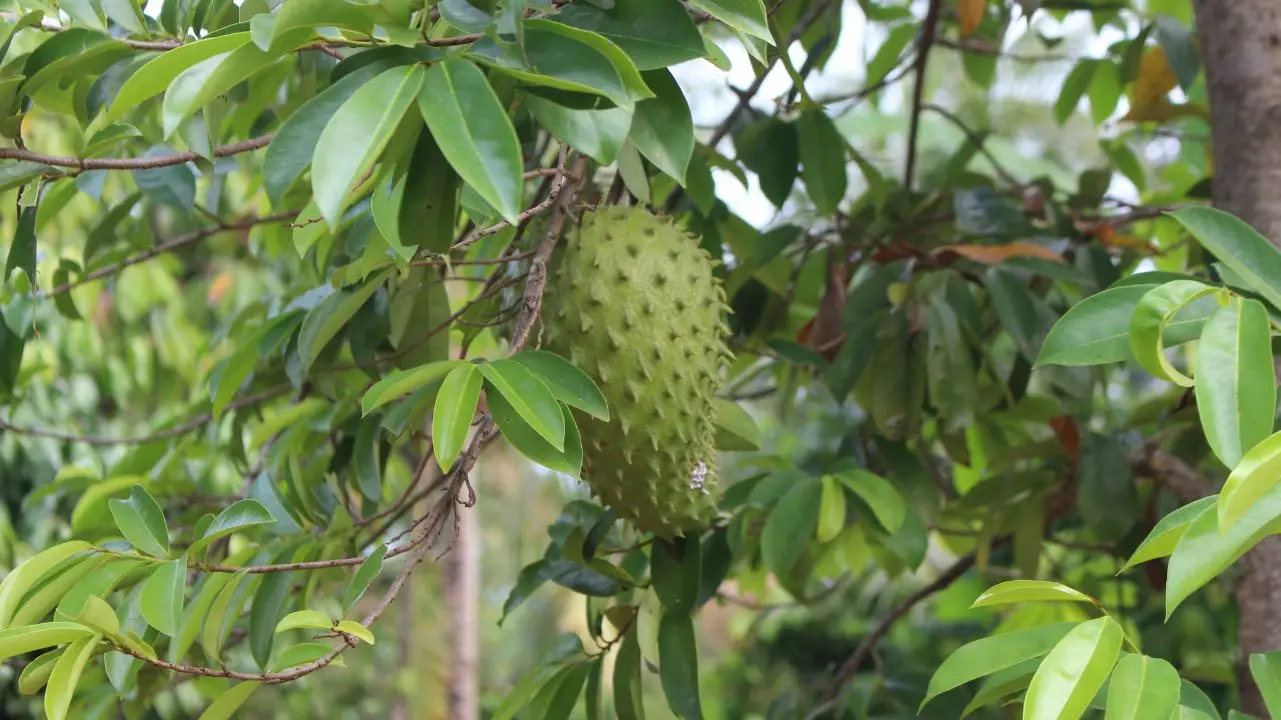
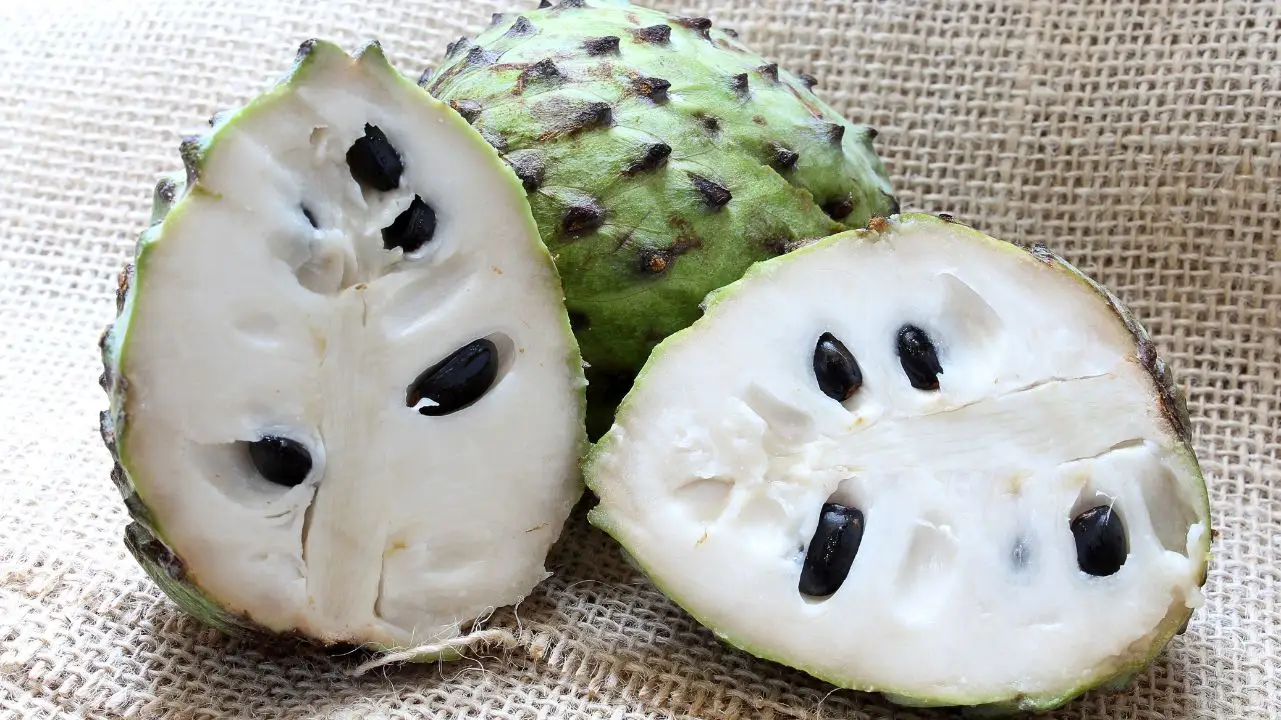
Soursop, also known as graviola, is a tropical fruit with the scientific name Annona muricata. The fruit is usually oval or heart-shaped, with green skin covered in soft spines and creamy-white flesh inside.
Appearance and Flavor
One of the most distinctive features of soursop fruit is its juicy, soft flesh and characteristic sweet-and-sour flavor. When ripe, the fruit develops an easily recognizable tropical aroma, making it suitable for fresh consumption as well as food processing.
The flesh contains multiple segments and dark seeds. Before use, the seeds and any unsuitable parts should be removed to ensure the quality of the final product.
Sweetness, acidity, and flesh texture may vary depending on ripeness, variety, and growing conditions.
Key Nutritional Components
Soursop provides carbohydrates, dietary fiber, vitamin C, and minerals such as potassium. The fruit also contains plant compounds with antioxidant activity.
The actual nutritional composition may vary depending on the variety, ripeness, and storage conditions.
For businesses using soursop as a production ingredient, nutritional claims should therefore be based on the characteristics of the specific raw material batch and, where necessary, appropriate laboratory test results.
Potential Health Benefits of Soursop
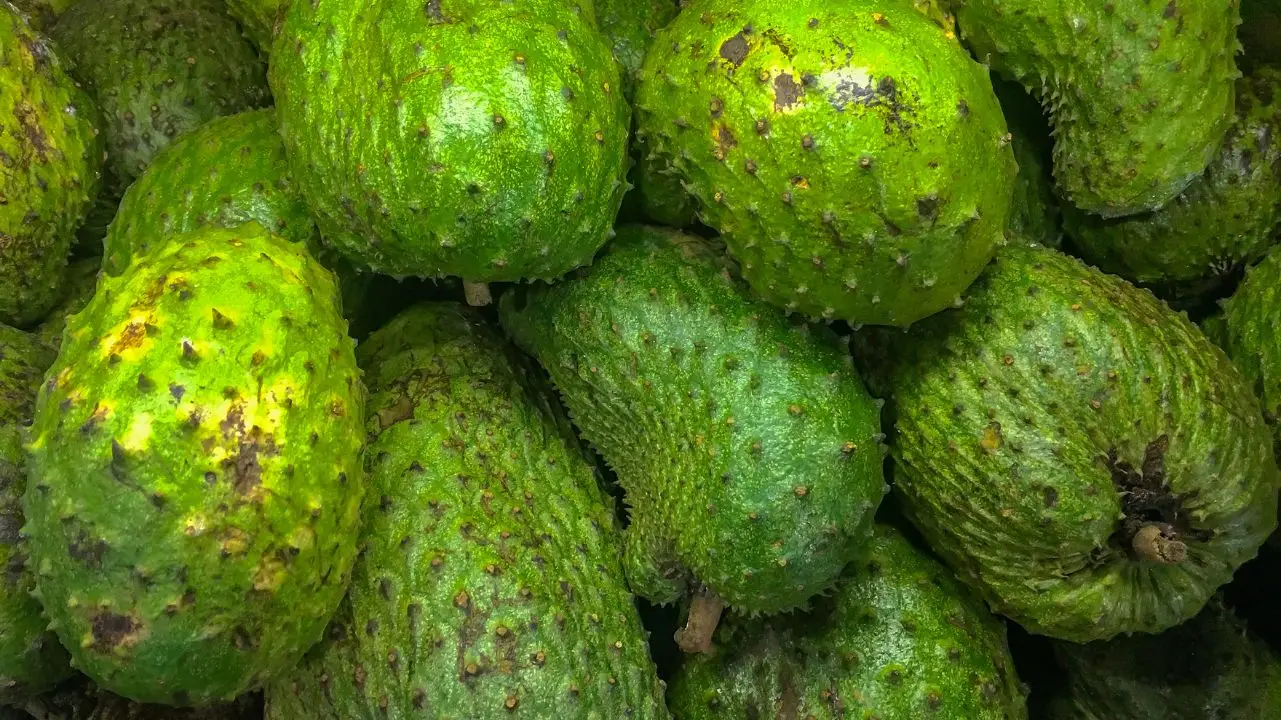
Because it contains several useful nutrients, soursop can contribute to a varied daily diet. However, actual soursop benefits depend on portion size, the overall diet, and how the fruit is prepared.
Provides Vitamins and Minerals
Soursop contains vitamin C, a nutrient involved in collagen formation, normal immune system function, and the absorption of iron from plant-based foods.
The fruit also provides potassium, a mineral that plays a role in normal muscle and nervous system function as well as fluid balance in the body.
Adding soursop to the diet can help diversify fruit intake. However, it should not be considered the sole source of any vitamin or mineral.
Provides Dietary Fiber
The flesh of soursop fruit contains dietary fiber, which contributes to normal digestive function and helps diversify the sources of fiber in the diet.
To retain more of this component, consumers can eat the fruit pulp directly or use it in smoothies that keep the flesh.
Juices that have been filtered to remove the pulp may contain significantly less fiber.
The amount of added sugar used during preparation should also be considered, particularly for people who need to manage their daily sugar intake.
Contains Compounds with Antioxidant Activity
Soursop contains vitamin C and several plant compounds with antioxidant activity. These compounds may participate in processes that help protect cells against the effects of free radicals.
However, antioxidant activity observed in research should not be confused with health benefits that have been clinically proven in humans.
There is currently insufficient high-quality clinical evidence to conclude that soursop can treat cancer or other serious diseases.
For this reason, soursop should be viewed as a fruit that can contribute to a varied diet rather than as a treatment for disease.
Can Be Part of a Balanced Diet
With its distinctive flavor and ability to pair with different foods, soursop can be included in the diet in several forms, including fresh fruit, smoothies, and desserts.
When preparing soursop at home, the flesh can be combined with unsweetened yogurt or other fruits to create a more varied dish.
Adjusting the amount of sugar, condensed milk, and other added ingredients can also help manage the overall nutritional profile of the finished product.
Processing Potential of Soursop
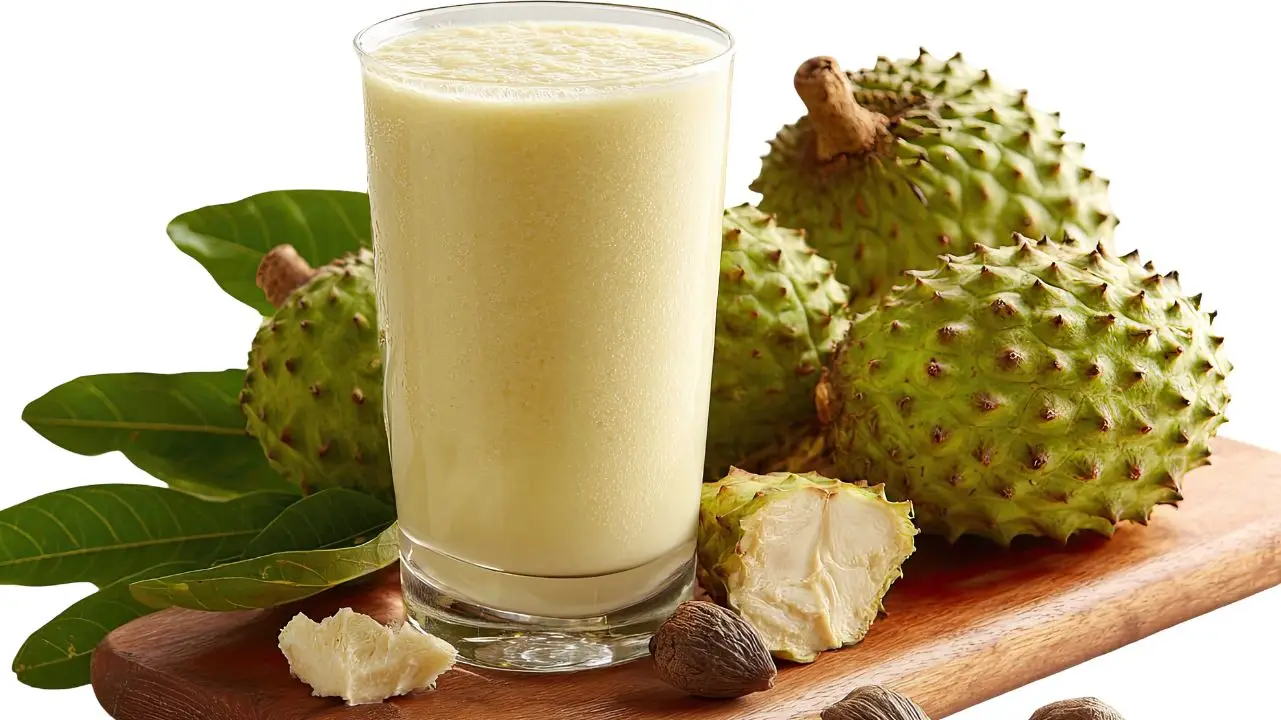
In addition to fresh consumption, soursop has considerable potential in food processing thanks to its soft flesh, distinctive aroma, and sweet-and-sour flavor.
Depending on production scale and product requirements, the raw material can be used as fresh fruit, deseeded pulp, soursop puree, or frozen fruit pulp.
Soursop Juice and Smoothies
Juices and smoothies are among the most common applications for soursop.
The fruit pulp can be blended with water, milk, yogurt, or other fruits to create a variety of beverage recipes.
For beverage shops, restaurants, and food manufacturers, deseeded soursop pulp can reduce preparation time and make ingredient portioning more convenient.
At industrial scale, businesses need to control ripeness, pulp yield, raw material consistency, and processing conditions in order to maintain flavor between production batches.
For bottled or canned products, heat treatment, hygiene requirements, and shelf life should be determined according to the actual product formulation and processing method.
Producing Soursop Puree and Frozen Pulp
Soursop puree is an ingredient made by crushing or finely blending prepared fruit pulp. It is commonly used as a base for beverages, ice cream, and dessert products.
In contrast, frozen soursop pulp may be more suitable for recipes that need to retain some of the fruit’s original texture instead of using a completely smooth ingredient.
The choice between puree and frozen pulp depends on the required viscosity, sensory characteristics, production equipment, and blending process of each business.
Freezing can be an effective method of preserving the ingredient when performed correctly. However, the quality of the final product still depends on the quality of the fresh fruit, preparation time, freezing rate, storage conditions, and cold-chain management during transportation.
For manufacturers, using pre-processed ingredients can reduce manual preparation, minimize waste generated during seed removal, and help standardize ingredient portions between production batches.
Applications in Ice Cream, Yogurt and Desserts
The sweet-and-sour flavor and distinctive aroma of soursop make it suitable for a wide range of dessert products.
Possible applications include:
- Fruit ice cream and dairy ice cream flavored with soursop;
- Fruit yogurt or soursop puree as a yogurt topping;
- Jelly, pudding, and chilled desserts;
- Cake fillings or fruit mixtures used in food manufacturing.
When soursop is combined with milk or protein-rich ingredients, manufacturers should evaluate formulation stability.
The fruit’s acidity may affect the structure of certain dairy systems, so blending ratios and processing conditions should be tested before large-scale production.
Developing Jams, Syrups and Blended Products
Beyond beverages and desserts, soursop can also be explored for the development of jams, syrups, fruit sauces, and blended ingredients for processed foods.
Depending on the intended product, manufacturers can adjust the proportion of fruit pulp, sugar, acidity regulators, and other ingredients to achieve the desired flavor, viscosity, and texture.
For shelf-stable products, the processing method, acidity, food-safety parameters, and shelf life should be determined through appropriate technical evaluation.
The amount of sugar or sensory characteristics alone should not be used to conclude that a product can be safely stored for an extended period.
Why Is Soursop Suitable for the Food and Beverage Industry?
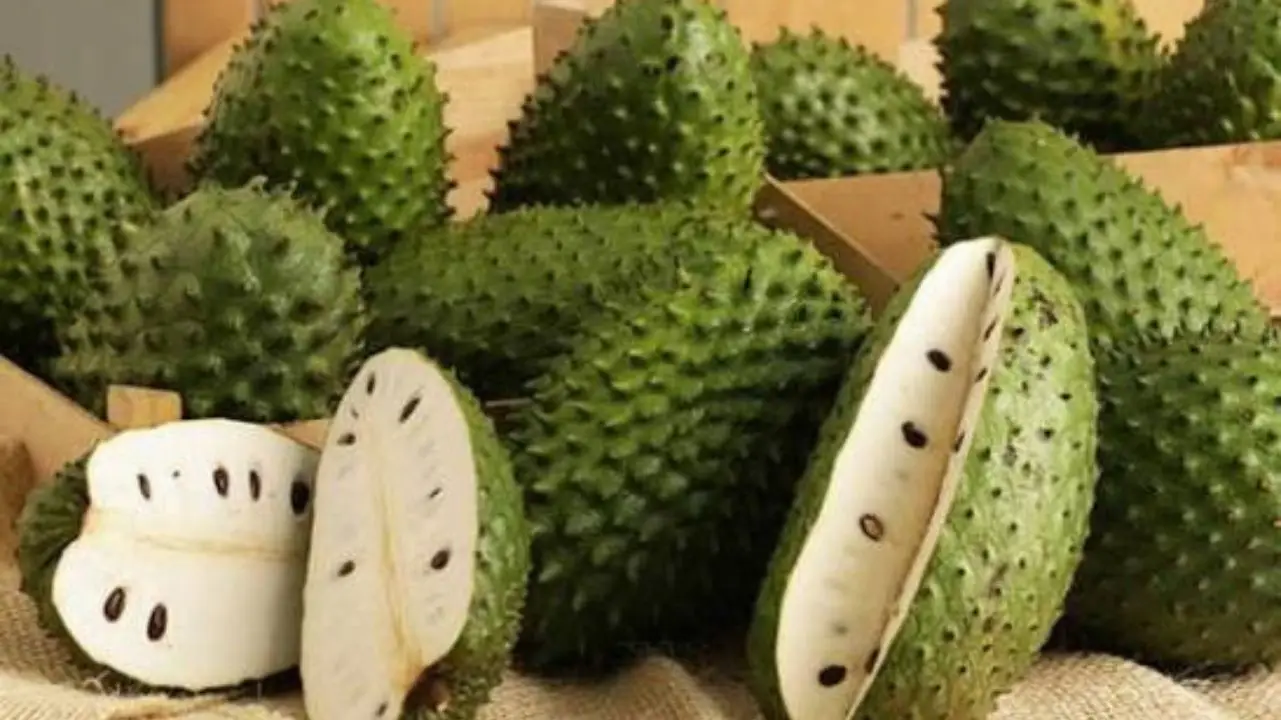
Distinctive Flavor That Helps Differentiate Products
Soursop has a tropical aroma and distinctive sweet-and-sour flavor that can help beverages and desserts stand out.
When combined with pineapple, mango, strawberry, or other ingredients, soursop can contribute to new flavor combinations.
However, blending ratios should be tested carefully so that the characteristics of each ingredient are not overwhelmed.
Flexible Ingredient Formats
Depending on production requirements, businesses can choose fresh fruit, deseeded fruit pulp, or puree.
Each format has different advantages in terms of preparation time, portion control, equipment requirements, and suitability for the final product.
Selecting the appropriate ingredient format from the beginning helps businesses plan formulations, calculate processing losses, and maintain better control over finished-product quality.
Opportunities for Value-Added Products
Instead of relying only on fresh-fruit consumption, processing can expand the use of soursop across multiple product categories.
For food businesses, the opportunity does not come from flavor alone. It also depends on the ability to develop stable formulations, standardize raw materials, and meet the requirements of different distribution channels.
Commercial feasibility should still be assessed based on raw material availability, seasonality, pulp recovery rate, preparation costs, storage requirements, and market demand.
These factors are important before investing in a new soursop product line.
What to Consider When Selecting and Storing Soursop
How to Select Quality Raw Materials
For household consumption, choose fruit at the desired level of ripeness without signs of spoilage, mold, or unusual physical damage.
For industrial processing, raw materials should be evaluated using more specific criteria, including:
- Ripeness and uniformity between fruits;
- Flesh color, flavor, and texture;
- Pulp recovery rate after the skin and seeds are removed;
- Hygiene condition, bruising, and relevant safety parameters;
- Ability to meet preparation, packaging, and storage requirements.
These criteria can help businesses reduce variation between raw material batches and improve control over final-product quality.
How to Store Fresh and Frozen Soursop
Fresh soursop should be stored according to its ripeness and condition.
Unripe and fully ripe fruits have different storage requirements, so they should be monitored to prevent overripening or spoilage during storage.
For prepared fruit pulp, clean utensils should be used, and the seeds and unsuitable parts should be removed before the pulp is placed under appropriate storage conditions if it is not used immediately.
For frozen soursop, maintain the temperature recommended for the specific product, avoid repeated thawing and refreezing, and keep the cold chain stable during transportation.
Shelf life should be established according to the actual processing method and quality evaluation data rather than applying a single fixed period to every product.
An important safety consideration is that soursop leaves, seeds, and other parts of the plant should not be used casually as food or dietary supplements.
In particular, soursop seeds should not be eaten and must be removed during preparation.
Conclusion: Soursop and Opportunities for Agricultural Product Development
Soursop is not only a tropical fruit with a distinctive flavor but also a source of vitamin C, dietary fiber, and several plant compounds with antioxidant activity.
When included as part of a varied diet, the fruit can contribute to a broader range of fruit intake.
From a food-processing perspective, soursop can be used in juices, smoothies, soursop puree, frozen pulp, ice cream, yogurt, and many other products.
This variety of applications creates opportunities for businesses to develop new formulations and increase the value of agricultural raw materials.
To make effective use of this potential, businesses need to pay attention to raw material quality, preparation processes, storage conditions, and finished-product consistency.
These factors provide a foundation for developing soursop products that meet market requirements and support long-term business strategies.
If your business is looking for Vietnamese soursop ingredients for food and beverage production, VILIFA is ready to support your sourcing and product-development needs. Contact VILIFA to discuss product requirements, specifications, and suitable supply solutions that can help add value to Vietnamese agricultural products and expand business opportunities.