

A restaurant chain in Ho Chi Minh City needs 5 tons of ST25 rice packed in 1 kg bags every month. A distributor in Dubai is looking for HACCP-compliant salted roasted cashews with a volume of 20 tons per quarter. A milk tea brand needs a stable supply of organic black tea for 12 months.
What do they have in common? They are all looking for a reliable processed agricultural products supplier in Vietnam — and finding the right one is not always easy.
If a business operates in F&B, distribution, or import and export, choosing the right agricultural processing partner is not simply a purchasing decision. It can directly affect cost of goods, product quality, and long-term operational stability.
Why Do F&B and Export Businesses Choose Processed Agricultural Products from Vietnam?
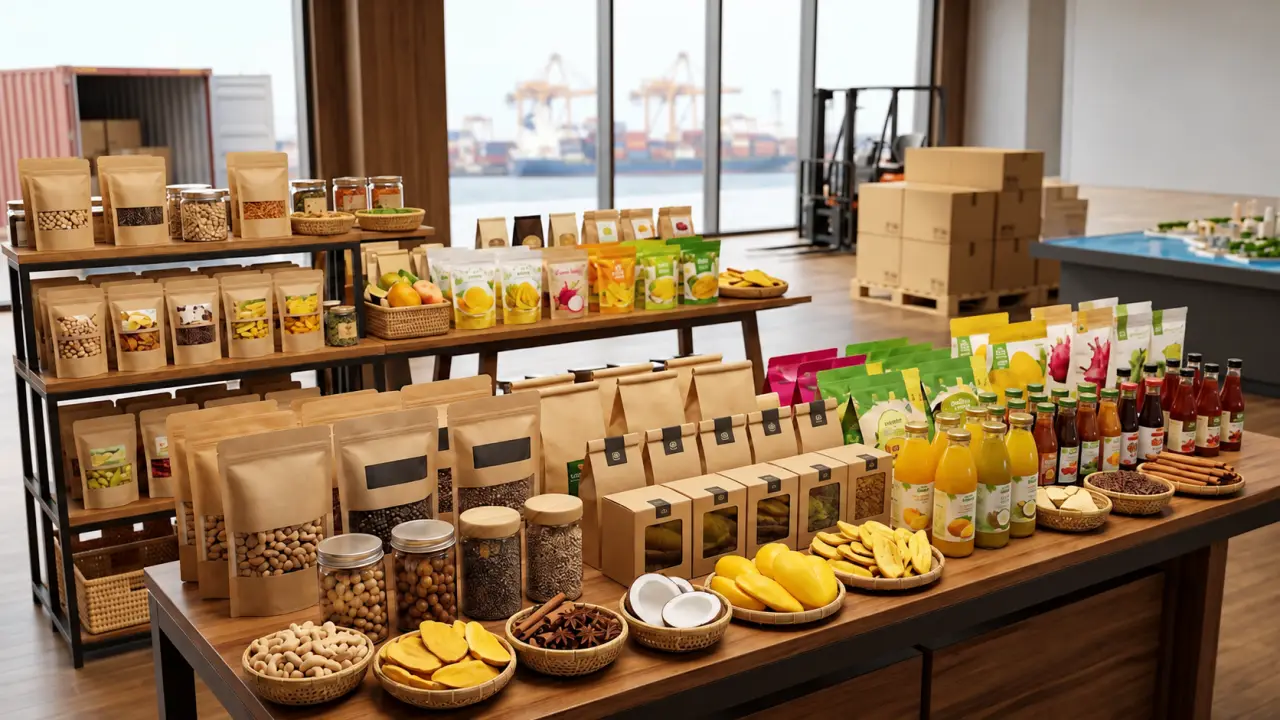
Vietnam is one of the major sources of processed agricultural products for export, including rice, coffee, cashews, black pepper, dried fruits, and processed seafood.
When these raw materials are cleaned, frozen, dried, roasted, ground, or packed according to specific technical specifications, they can become processed agricultural products suitable for F&B businesses and export markets.
- Diverse Raw Material Supply
Vietnam has agricultural regions stretching from the north to the south, allowing the year-round supply of many categories of processed agricultural products, including rice, coffee, pepper, cashews, tea, tropical fruits, and spices.
This advantage allows businesses to expand their product portfolios while reducing the need to work with too many suppliers across different countries.
- Competitive Costs and Better Profit Margins
Agricultural production and processing costs in Vietnam are lower than in many other markets, helping businesses optimize their cost of goods while maintaining quality.
This is particularly important for F&B chains operating with tight profit margins.
- Developed Processing and Export Infrastructure
Many agricultural processing plants in Vietnam have invested in freezing, drying, roasting, grinding, sorting, packaging, and quality-control systems.
A growing number of factories operate under standards and certifications such as HACCP, ISO 22000, BRC, and GlobalG.A.P., supporting exports to markets including the EU, Japan, the United States, and the Middle East.
Vietnam’s seaport and logistics infrastructure is also continuing to develop, helping businesses improve export efficiency and delivery planning.
5 Common Risks When Sourcing Processed Agricultural Products
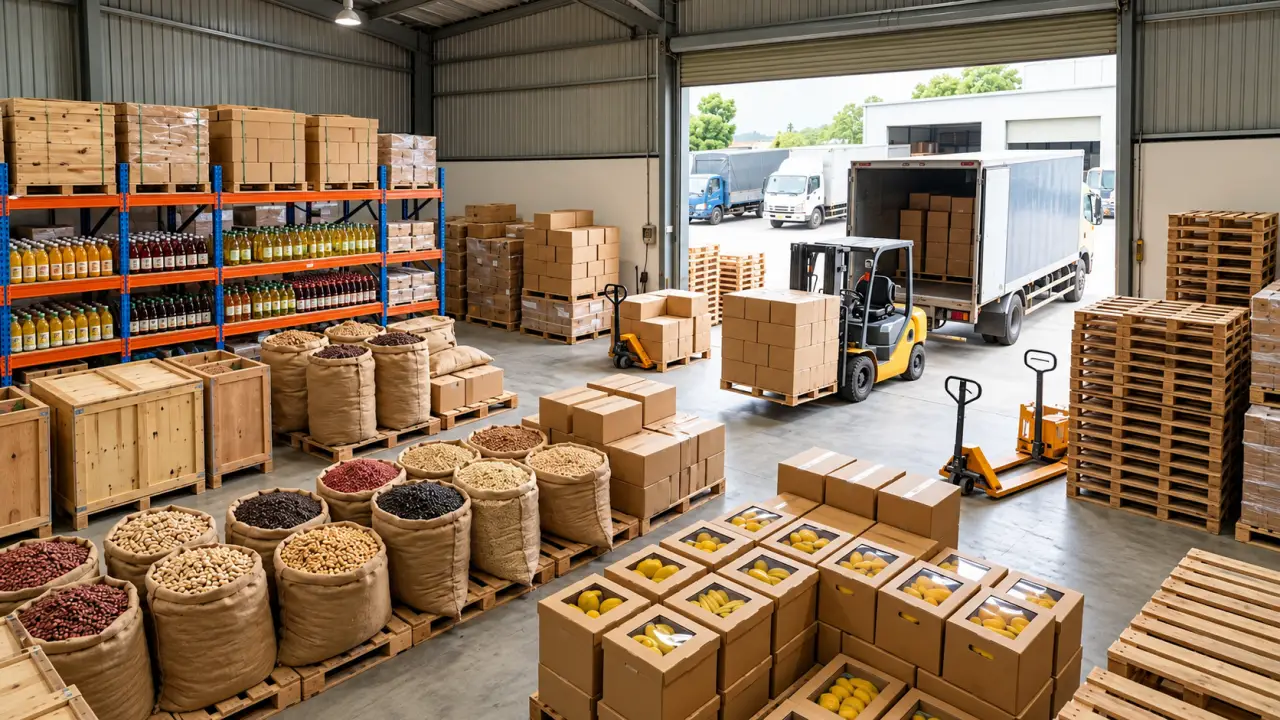
Before selecting a processed agricultural products supplier or agricultural processing company, businesses should assess at least five common risk areas.
① Unstable Supply of Processed Agricultural Products
Monthly volumes may fluctuate, deliveries may be delayed, or prices may change without prior notice — all of which can directly affect business operations.
For F&B businesses and importers, an unstable supply can disrupt production plans, inventory management, and customer commitments.
② Inconsistent Quality
One of the major risks when sourcing processed agricultural products for export is variation in quality between batches.
Different shipments may have inconsistent quality, incomplete testing documents, or insufficient incoming and finished-product quality controls.
For long-term sourcing, buyers should pay close attention to whether product specifications can be maintained consistently across multiple orders.
③ Missing Export Documents
Missing Certificates of Origin (C/O), phytosanitary certificates, inspection documents, or other required records may cause shipments to be delayed or held during customs clearance.
The required documentation can vary depending on the product and destination market, so buyers should confirm requirements before shipment.
④ Lack of Traceability
When a food safety or quality issue occurs, poor traceability can make it difficult to identify the original batch.
This can create both regulatory and reputational risks for importers, distributors, and F&B businesses.
⑤ Limited Ability to Scale
An agricultural processing company may handle a trial order well but still struggle when volumes increase significantly.
Businesses should therefore assess actual production capacity, agricultural processing lines, packaging capability, technical staff, and expansion plans before entering into a long-term agreement.
6 Criteria for Choosing a Reliable Processed Agricultural Products Supplier
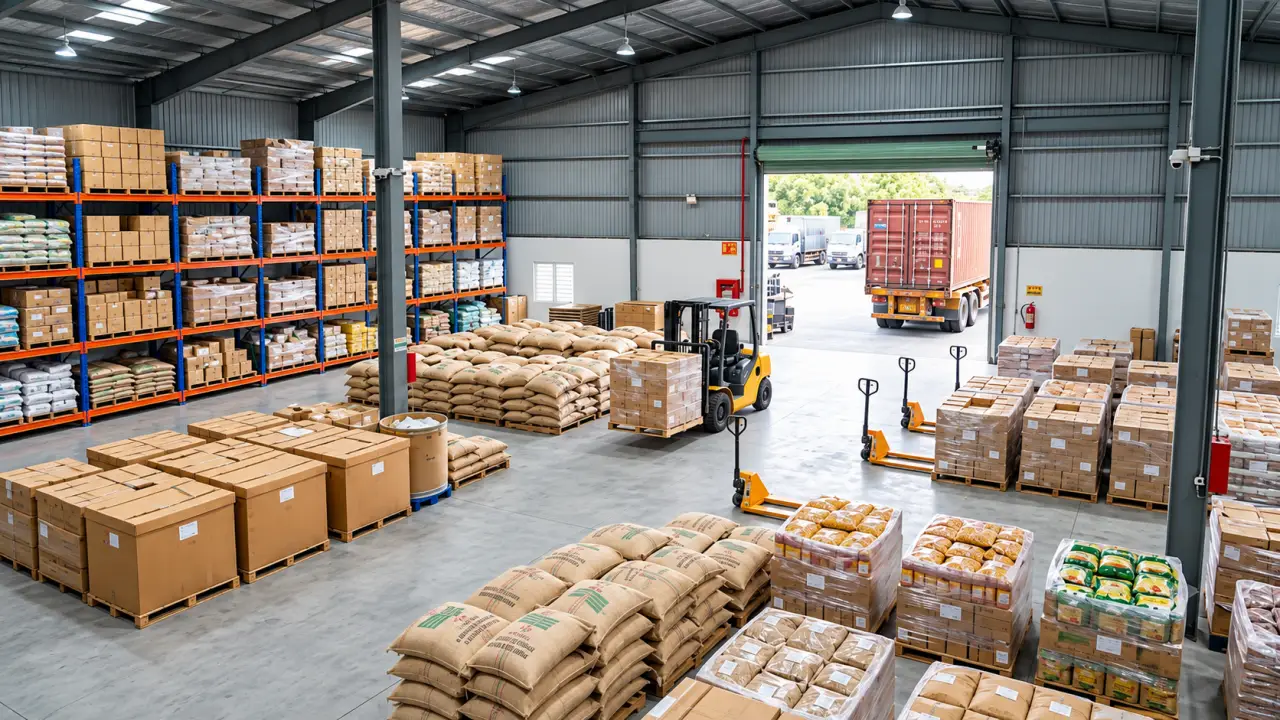
To reduce sourcing risks, F&B businesses and importers should evaluate a processed agricultural products supplier based on the following six criteria.
① Production and Storage Capacity
Review factory capacity, scalability, and the stability of raw material supply through relationships with farmers or cooperatives.
These factors directly affect the supplier’s ability to support long-term and recurring orders.
For seasonal agricultural products, buyers should also consider how the supplier manages raw material availability and inventory throughout the year.
② Certifications and International Standards
Check HACCP, ISO 22000, BRC, Organic, and GlobalG.A.P. certifications where relevant.
More importantly, buyers should determine whether the certifications are suitable for the target market and product requirements.
A certification is more useful when its scope, facility, validity period, and relevant product categories match the buyer’s actual sourcing needs.
③ Quality Control Procedures
A professional processed agricultural products supplier should have quality-control procedures for incoming raw materials, production processes, and finished products.
The supplier should also be able to support sample retention and batch traceability where required.
For B2B orders, buyers may need to review product specifications, testing records, lot information, and other quality documentation before confirming regular supply.
④ Actual Export Experience
Which markets has the supplier exported to?
Does the company have experience working with logistics partners and preparing export documents?
Practical export experience can be more valuable than general commitments made only on paper, particularly when working with different markets and documentation requirements.
⑤ Customization Capability
A suitable supplier may need to support:
- Private-label packaging;
- Bulk packaging;
- Retail packaging;
- Product specification adjustments;
- Packaging formats according to buyer requirements.
This capability is particularly valuable for distributors, food manufacturers, and businesses that want products adapted to their own market requirements.
⑥ Dedicated Support Team
The supplier should have personnel responsible for commercial matters, technical issues, and documentation, together with clear communication and response procedures.
This factor is often overlooked, but it can significantly affect the overall cooperation experience, especially when handling samples, specifications, documents, and shipments.
B2B Supply Solutions for Processed Agricultural Products
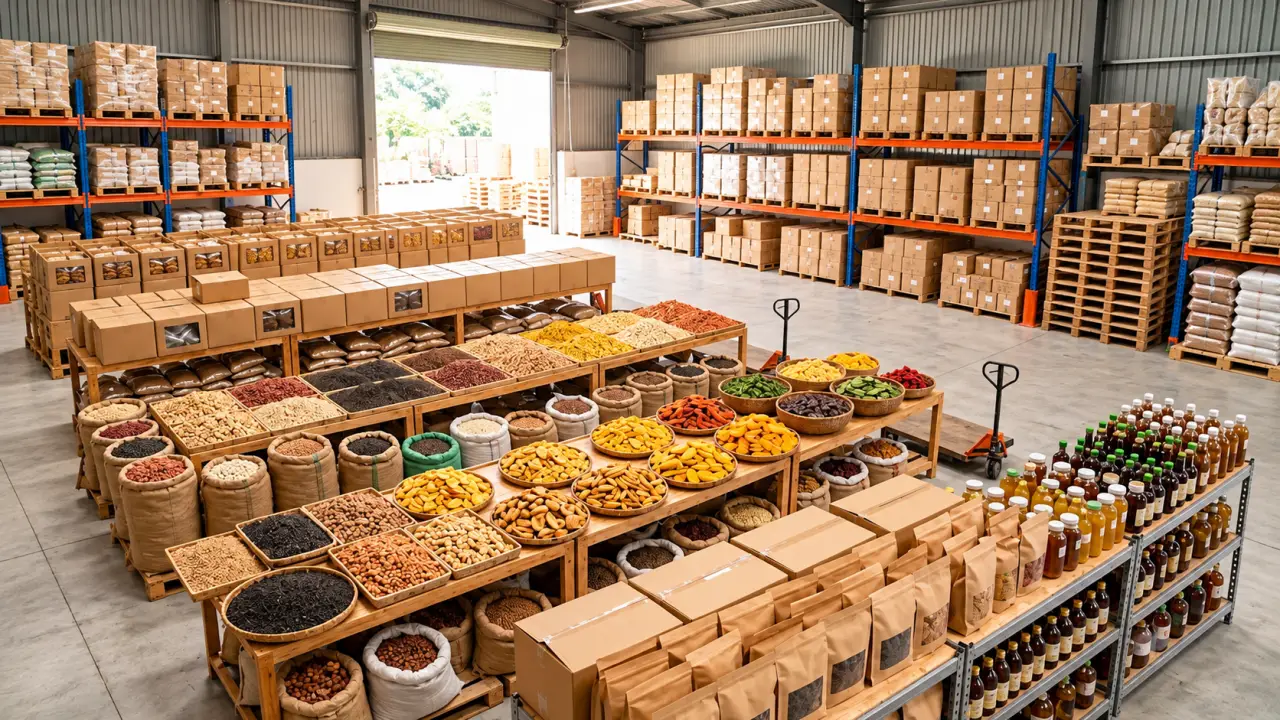
A reliable processed agricultural products supplier should do more than simply provide products. The supplier should also coordinate with buyers across four key areas.
Supply Commitment
- Long-term contracts with agreed pricing;
- Monthly or quarterly delivery plans;
- Inventory reserves for strategic customers where applicable.
A structured supply plan helps F&B businesses and importers maintain inventory and reduce the risk of unexpected shortages.
Quality Commitment
- Quality documentation for each shipment;
- Certifications according to import-market requirements;
- Policies for handling non-conforming products or quality deviations.
Quality requirements should be discussed clearly before commercial orders begin.
Export Service Commitment
- Support with documents such as C/O, phytosanitary certificates, and inspection documents;
- Advice on packaging and labeling according to destination-market regulations;
- Clear points of contact and defined response procedures.
For export buyers, documentation and coordination can be just as important as the physical product itself.
Pricing Commitment
- Transparent quotations;
- Volume- and partnership-based pricing policies;
- Support for pricing adjustments when market conditions change.
A complete quotation should also clarify product specifications, packaging, quantity, commercial terms, and quotation validity.
5-Step Process for Finding and Working with an Agricultural Products Supplier
Step 1: Define Specific Requirements
Clearly identify:
- Product;
- Quantity;
- Purchase frequency;
- Quality standards;
- Target market;
- Packaging;
- Required documents.
The more specific the RFQ, the easier it is for a supplier to evaluate feasibility and provide a meaningful quotation.
Step 2: Screen Suppliers
Request company profiles, certifications, and product samples.
If possible, inspect the factory in person. For significant or long-term orders, this is a step that should not be overlooked.
Step 3: Place a Trial Order
Start with a smaller order to evaluate:
- Product quality;
- Delivery performance;
- Documentation;
- Packaging;
- Communication;
- Working procedures.
A trial order provides practical information that cannot always be obtained from a supplier profile alone.
Step 4: Negotiate a Long-Term Contract
Agree on quarterly or annual pricing where appropriate, as well as delivery terms, payment conditions, quality requirements, and procedures for handling issues.
Because agricultural prices may change according to season and market conditions, pricing mechanisms should be discussed clearly before long-term cooperation.
Step 5: Maintain and Expand the Partnership
Conduct periodic evaluations and expand the product portfolio once the supplier relationship has become stable.
A reliable processed agricultural products supplier can help businesses reduce the time and resources required to manage multiple sourcing partners.
VILIFA – Processed Agricultural Products from Vietnam for B2B Buyers
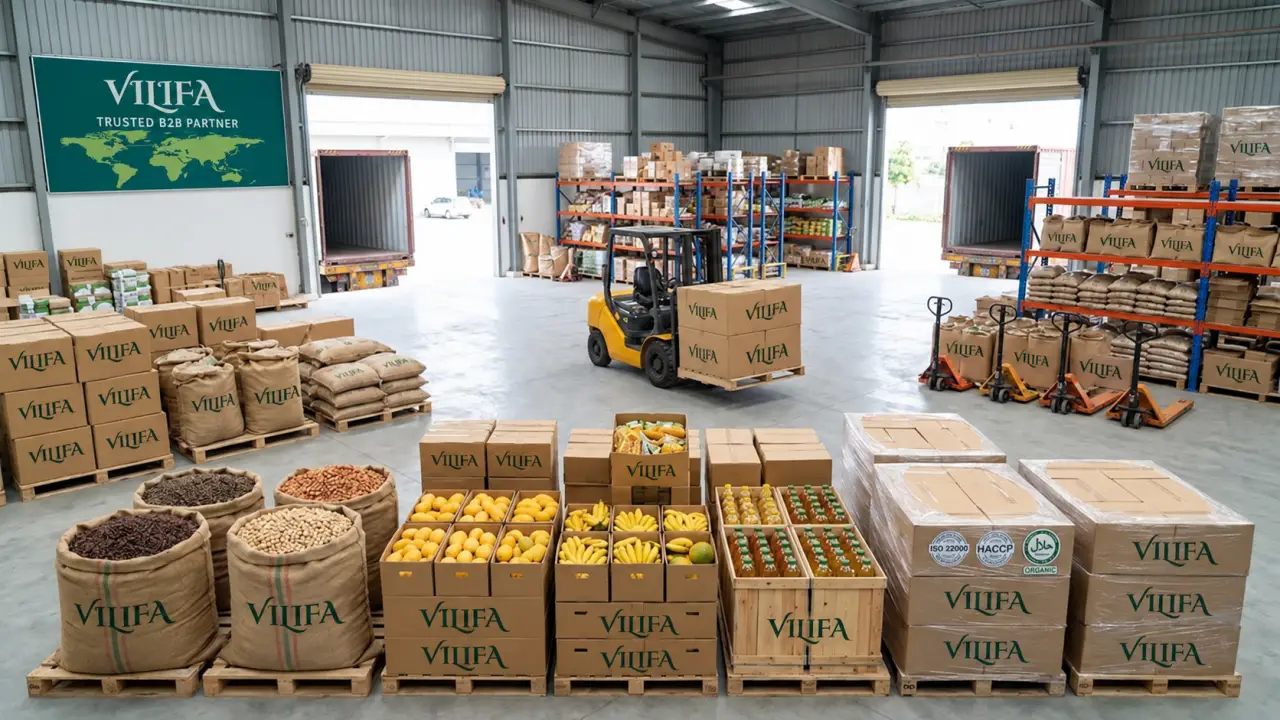
VILIFA focuses on supplying processed Vietnamese agricultural products to importers, distributors, F&B companies, and businesses that use agricultural ingredients in food production.
The product portfolio may include frozen fruits, frozen vegetables, dried products, coffee, and other processed agricultural products from Vietnam, depending on market demand.
For B2B orders, requirements such as product form, size, packaging, technical specifications, documentation, quantity, and destination market should be discussed in advance to determine the appropriate supply capability.
Looking for a Processed Agricultural Products Supplier in Vietnam?
If your business is sourcing ingredients for F&B, food manufacturing, distribution, or import and export, it is better to start with a specific RFQ rather than simply requesting a general price list.
Send VILIFA the following information:
Product → Technical Specifications → Quantity → Packaging → Import Market → Destination Port → Required Documents
With this information, both sides can quickly determine the suitable product, supply capability, and quotation basis.
If you are looking for a processed agricultural products supplier in Vietnam, contact VILIFA to discuss products, specifications, packaging, documentation, and supply requirements for your business.
Frequently Asked Questions (FAQ)
What Types of Processed Agricultural Products Are Available from Vietnam?
Processed agricultural products from Vietnam can include rice, coffee, cashews, black pepper, tea, dried fruits, spices, processed seafood, and products packed according to business requirements.
What Criteria Should F&B Businesses Use When Choosing a Processed Agricultural Products Supplier?
Businesses should prioritize six areas: production capacity, international certifications, quality control, export experience, customization capability, and dedicated support.
The supplier should also be evaluated based on its ability to maintain product specifications and supply consistency across multiple orders.
What Certifications Does an Export Supplier of Processed Agricultural Products Need?
Relevant certifications may include HACCP, ISO 22000, BRC, GlobalG.A.P., or Organic certification depending on the product, target market, and buyer requirements.
Businesses should verify whether each certification is valid and relevant to the facility and products being sourced.
How Can a Business Check Whether an Agricultural Products Supplier Is Reliable?
Review the supplier’s company profile, valid certifications, factory operations, product samples, quality documentation, traceability capability, and export experience.
For larger sourcing programs, buyers may also consider factory visits or third-party inspections.
How Long Does It Take to Ship Agricultural Products from Vietnam?
Shipping time varies depending on the destination market, product, production schedule, shipping method, and vessel schedule.
For reference, shipments may take approximately 3–7 days to Southeast Asia, 10–15 days to the Middle East, and 20–35 days to the EU or United States by sea.