
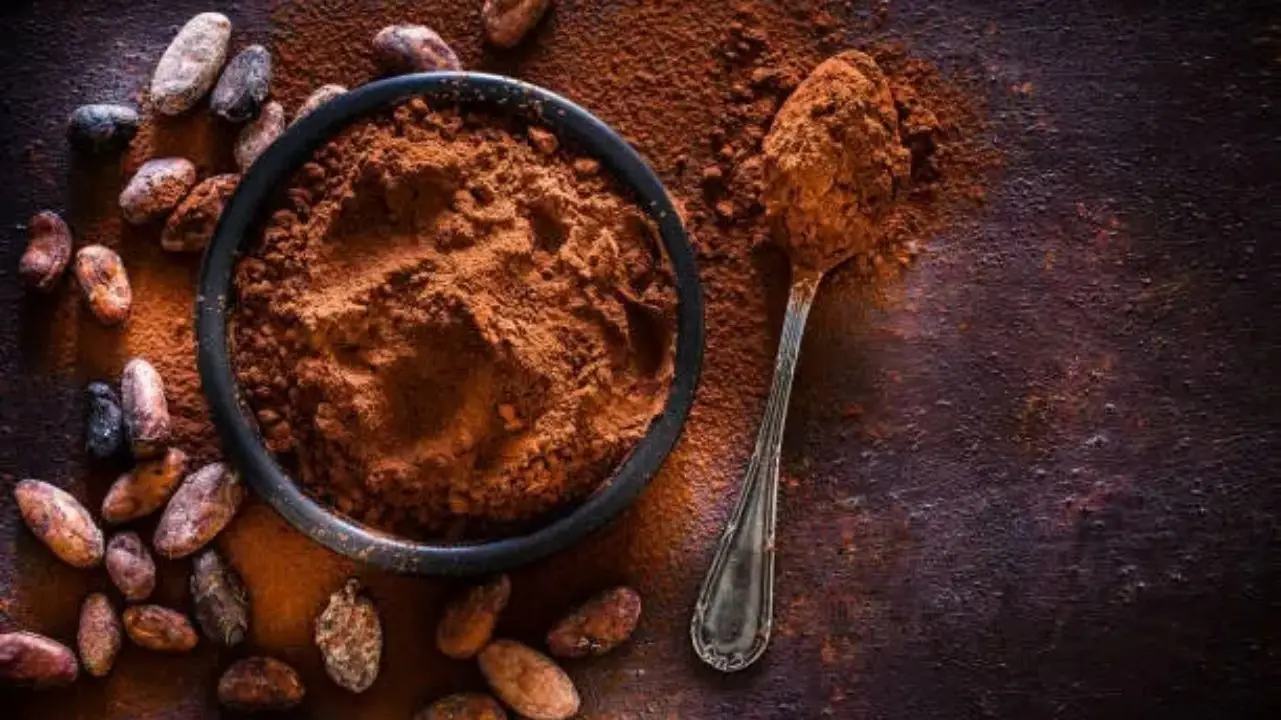

Pure cocoa powder is a familiar ingredient used in beverages and baking, but not every product labeled “cocoa” is the same. The market includes pure cocoa powder, instant cocoa mixes, sweetened cocoa, unsweetened cocoa powder, and products processed using different methods.
Choosing the wrong type can make a cocoa drink too sweet or too bitter, or throw off the balance of a baking recipe. Understanding cocoa powder, its ingredients, and how it is used will help you choose the right product for each purpose.
1. What Is Pure Cocoa Powder?
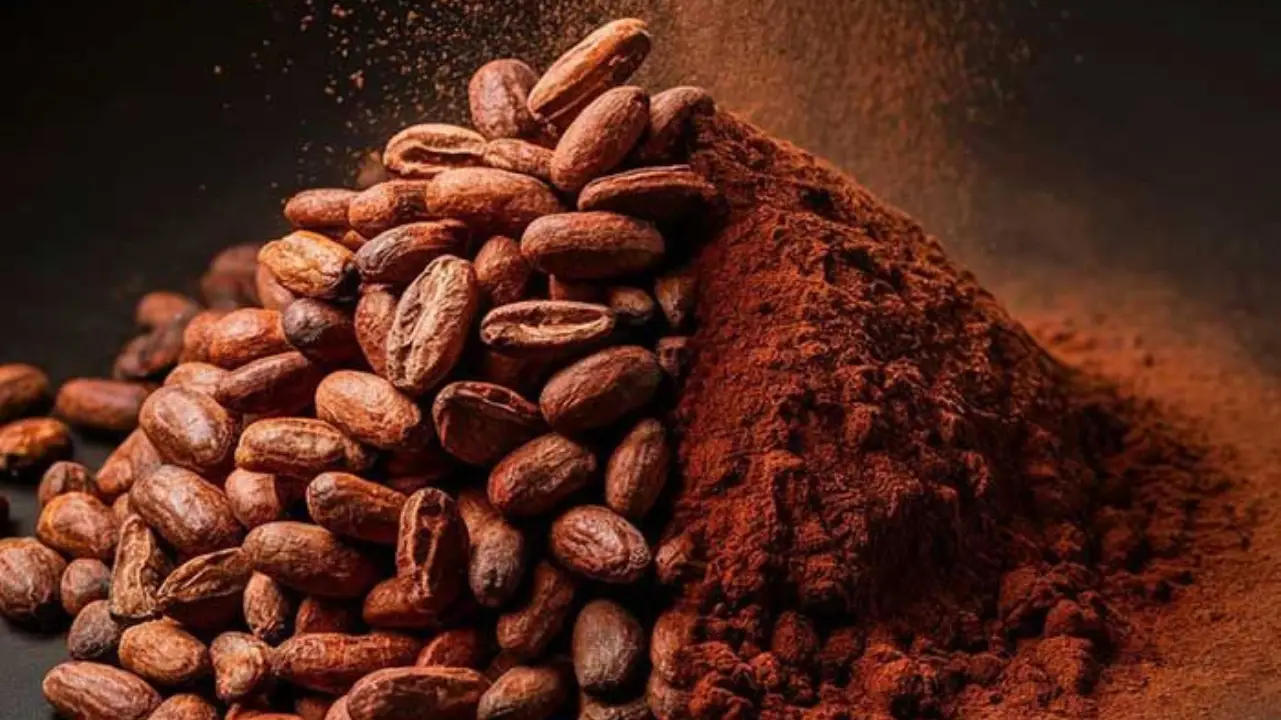
Pure cocoa powder is made from cocoa beans that have been processed, roasted, ground, and pressed to remove part of their fat content. The remaining cocoa solids are then finely ground into cocoa powder.
For pure cocoa products that are not pre-mixed, the main ingredient is typically cocoa powder, without added sugar, milk, or creamer powder commonly found in instant cocoa drinks. However, consumers should still check the ingredient list rather than relying only on the words “pure cocoa” on the packaging.
Pure cocoa powder usually has a naturally bitter taste and a more pronounced cocoa aroma than pre-mixed products. Its intensity, color, and flavor can also vary depending on the cocoa variety, origin, roasting level, and processing method.
According to the Codex Standard for Cocoa Powders and Dry Mixtures of Cocoa and Sugars, cocoa powder is defined as the product obtained by grinding cocoa cake into powder.
2. How Is Pure Cocoa Powder Different from Instant Cocoa Mix?

The main difference lies in the ingredients and intended use.
| Criteria | Pure Cocoa Powder | Instant Cocoa Mix |
|---|---|---|
| Ingredients | Mainly cocoa | May contain sugar, milk, or creamer |
| Sweetness | Unsweetened or very low sweetness | Already sweetened |
| Flavor | Naturally bitter with a distinct cocoa taste | Milder and easier to drink |
| Beverages | Sugar and milk can be adjusted as desired | Quick and convenient to prepare |
| Baking | Easier to control the recipe | May alter sugar and fat ratios |
| Applications | Versatile | Mainly used for beverages |
Instant cocoa mix is not necessarily a lower-quality product. The two types simply serve different purposes.
If you want greater control over recipes or need cocoa for both beverages and baking, unsweetened cocoa powder is generally more versatile.
3. What Types of Pure Cocoa Powder Are There?
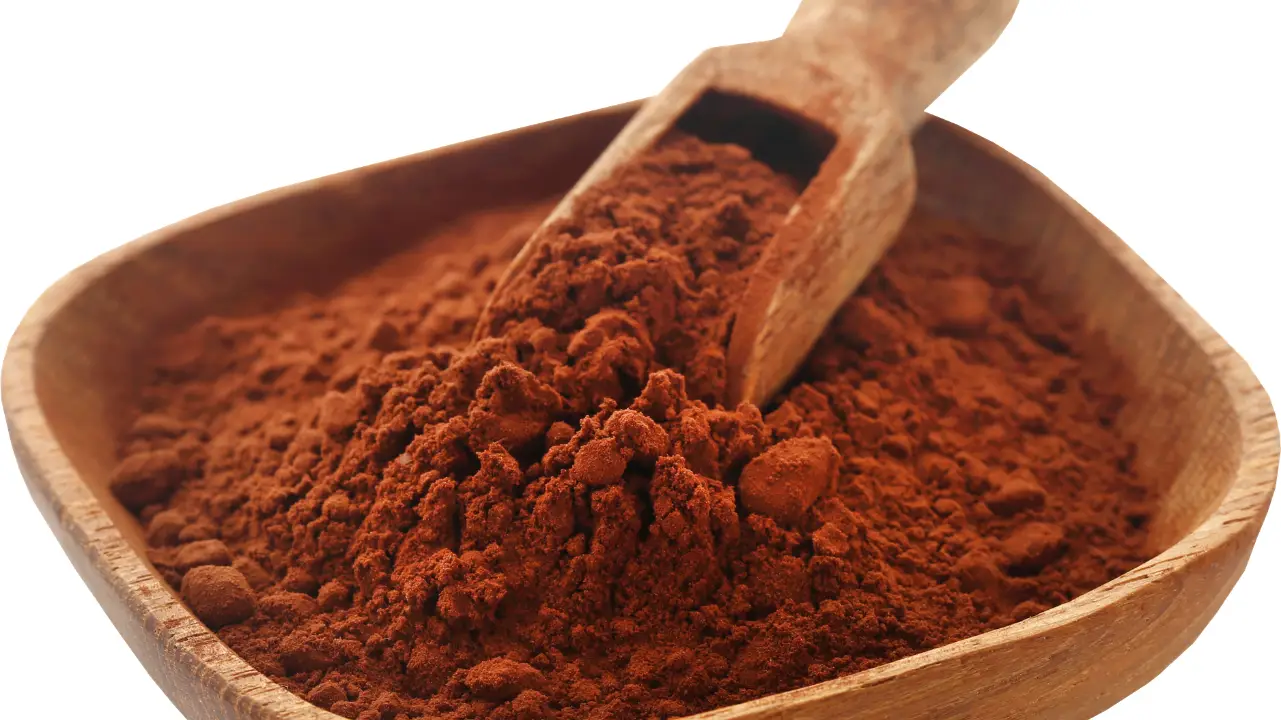
The two most common types are natural cocoa powder and alkalized cocoa powder.
Natural Cocoa Powder
Natural cocoa powder retains the natural acidity of cocoa after processing.
It is usually light to medium brown in color, with a distinct cocoa flavor and, depending on the origin of the beans, may have a slightly acidic note.
In baking, this acidity can affect how cocoa reacts with leavening agents. For this reason, it is best to use the type of cocoa powder specified in the recipe.
Dutch-Process Cocoa
Alkalized cocoa powder, commonly known as Dutch-process cocoa, is treated to reduce its acidity.
It usually has:
- a darker brown color;
- a milder taste;
- less acidity;
- a smoother, more rounded cocoa profile.
Dutch-process cocoa can work well in many beverages or recipes that require a deeper cocoa color and flavor. However, darker cocoa should not automatically be considered higher quality.
4. How to Choose Unsweetened Cocoa Powder for Drinks

If you are making hot cocoa, cocoa with milk, or cold cocoa beverages, unsweetened cocoa powder gives you greater control over the sweetness and amount of milk in the recipe.
Start by checking the ingredient list. If you are looking for pure unsweetened cocoa powder, choose products without pre-added sugar, milk, or creamer powder.
Flavor is another important consideration. Good cocoa powder for drinks should have a clear cocoa aroma without burnt or unusual odors and should not taste excessively harsh when prepared at the correct ratio.
The fineness of the powder also matters. Finely ground cocoa tends to disperse more easily, although pure cocoa powder does not always dissolve completely like instant beverage powders.
To reduce clumping, mix the cocoa powder with a small amount of hot water first. Stir it into a smooth paste before adding milk or the remaining liquid.
5. How to Choose Cocoa Powder for Baking
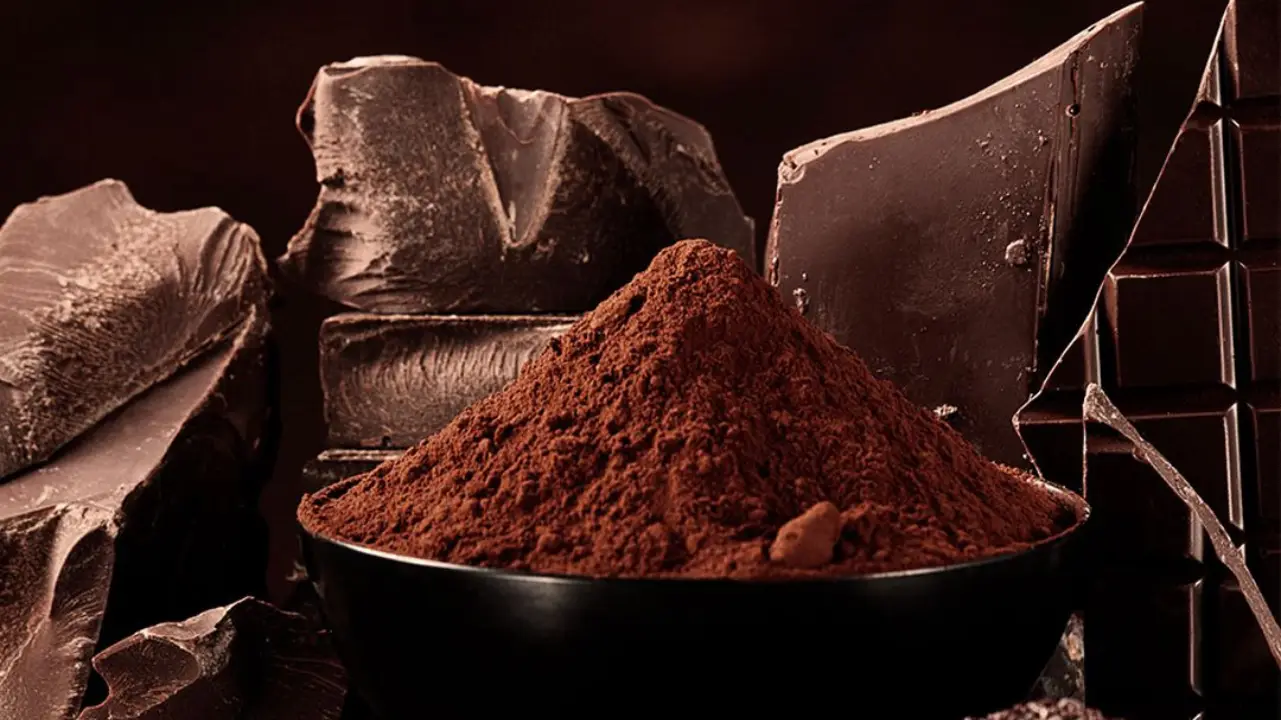
When choosing cocoa powder for baking, the most important consideration is avoiding unwanted changes to the ingredient ratios in the recipe.
If a recipe already contains a separate amount of sugar, using a sweetened instant cocoa mix can make the final product too sweet or alter its texture. For this reason, pure unsweetened cocoa powder is generally easier to control.
You should also pay attention to the type of cocoa specified in the recipe. Natural cocoa powder and Dutch-process cocoa have different acidity levels, which can affect their reaction with baking soda or baking powder.
The two types should not be substituted for each other without considering the recipe, particularly in baked goods that rely heavily on chemical leavening.
For products such as brownies, chocolate cake, mousse, or cocoa sauces, the fat content of the cocoa powder may also influence richness, mouthfeel, and final texture.
6. Can the Same Cocoa Powder Be Used for Drinks and Baking?

Yes. If you need one product for multiple purposes, pure unsweetened cocoa powder is a flexible option.
You can:
- add sugar or milk when making beverages;
- use it directly in baking recipes;
- combine it with chocolate;
- use it in sauces, creams, and desserts.
However, for specialized applications, the choice should still depend on the recipe. A cocoa powder that works very well in drinks may not necessarily be the best option for every type of baked product.
7. Which Pure Cocoa Powder Is Best? 5 Things to Consider
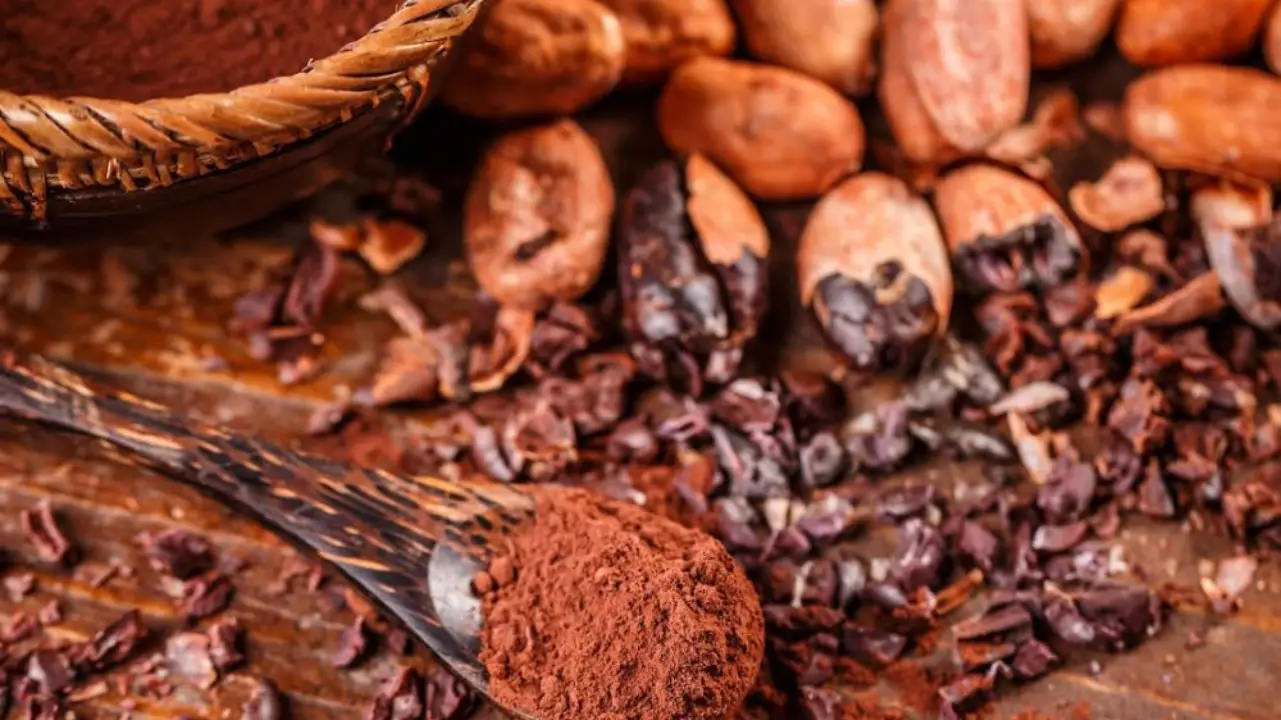
When determining which pure cocoa powder is best, color and price should not be the only factors. The following five criteria are more useful.
Clear Ingredient List
This should be the first thing you check.
If you are looking for pure unsweetened cocoa, check whether the product contains added sugar, milk, creamer powder, vegetable oil, or flavorings.
Natural Cocoa Aroma
The aroma should be distinct and pleasant, without burnt or unusual odors.
Different cocoa origins can produce different aromatic characteristics, so there is no single aroma profile that can be used to judge every cocoa product.
Color Appropriate to the Cocoa Type
Natural cocoa powder is generally lighter than Dutch-process cocoa.
Therefore, a darker color does not necessarily mean that the product is purer or of higher quality.
Fine Texture and Proper Storage
The powder should be relatively uniform and should not show significant moisture absorption or hard clumping.
Minor clumping may occur during storage, but cocoa that is damp, has an unusual odor, or forms hard compacted lumps should be treated with caution.
Suitable for the Intended Application
For beverages, you may prefer cocoa with a balanced flavor that pairs well with milk.
For baking, choose a cocoa type that matches the recipe and its leavening agents.
For cafés or food production, additional factors such as batch-to-batch consistency, packaging specifications, and product specifications should also be considered.
8. How to Read the Label When Choosing Pure Cocoa Powder
One of the simplest ways to distinguish pure cocoa powder from instant cocoa mix is to read the ingredient list.
You should check:
- ingredients;
- cocoa percentage, if declared;
- whether sugar is added;
- whether milk or creamer powder is included;
- production date;
- expiration date;
- storage instructions;
- manufacturer information.
When purchasing in bulk, buyers may also request a product specification or sample for evaluation before placing an order.
9. How to Store Cocoa Powder After Opening

Cocoa powder readily absorbs moisture and surrounding odors, so proper storage is important after opening.
You should:
- reseal the bag or container tightly after each use;
- store it in a cool, dry place;
- keep it away from direct sunlight;
- avoid high-temperature areas;
- use a clean, dry spoon when handling the powder;
- minimize prolonged exposure to air.
If you purchase cocoa powder in large bags, dividing it into smaller portions can help reduce the number of times the main package needs to be opened.
Conclusion
Pure cocoa powder is suitable for people and businesses that want greater control over flavor and recipes instead of using products pre-mixed with sugar, milk, or creamer.
For beverages, unsweetened cocoa powder allows the sweetness to be adjusted according to preference. In baking, choosing the right type of cocoa and following the recipe helps maintain the intended balance of flavor, color, and texture.
Rather than judging cocoa powder only by its dark color or price, pay attention to the ingredient list, cocoa type, intended application, and information provided by the manufacturer. This is a more practical way to choose the right pure cocoa powder and use it effectively over the long term.