
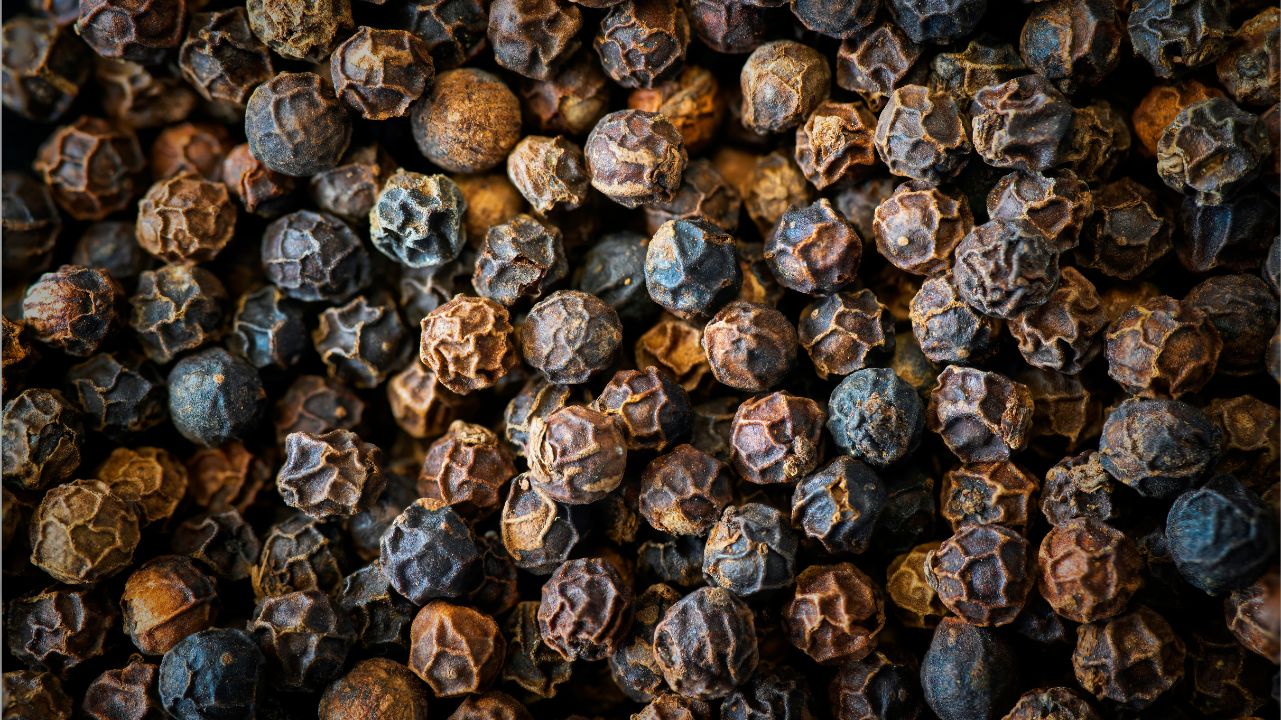

Open a jar of black pepper, and its warm, slightly pungent aroma rises immediately. Just a few crushed peppercorns or a pinch of ground pepper can noticeably transform a dish. Thanks to this distinctive flavor, black pepper is found in kitchens and restaurants around the world, from Asian dishes to European cuisine.
What many people may not know is that these tiny peppercorns contain a range of plant compounds that have attracted scientific interest, particularly piperine. So, what are the potential black pepper benefits, and how should black pepper be used safely and appropriately? This article looks at each aspect in detail.
What Is Black Pepper?
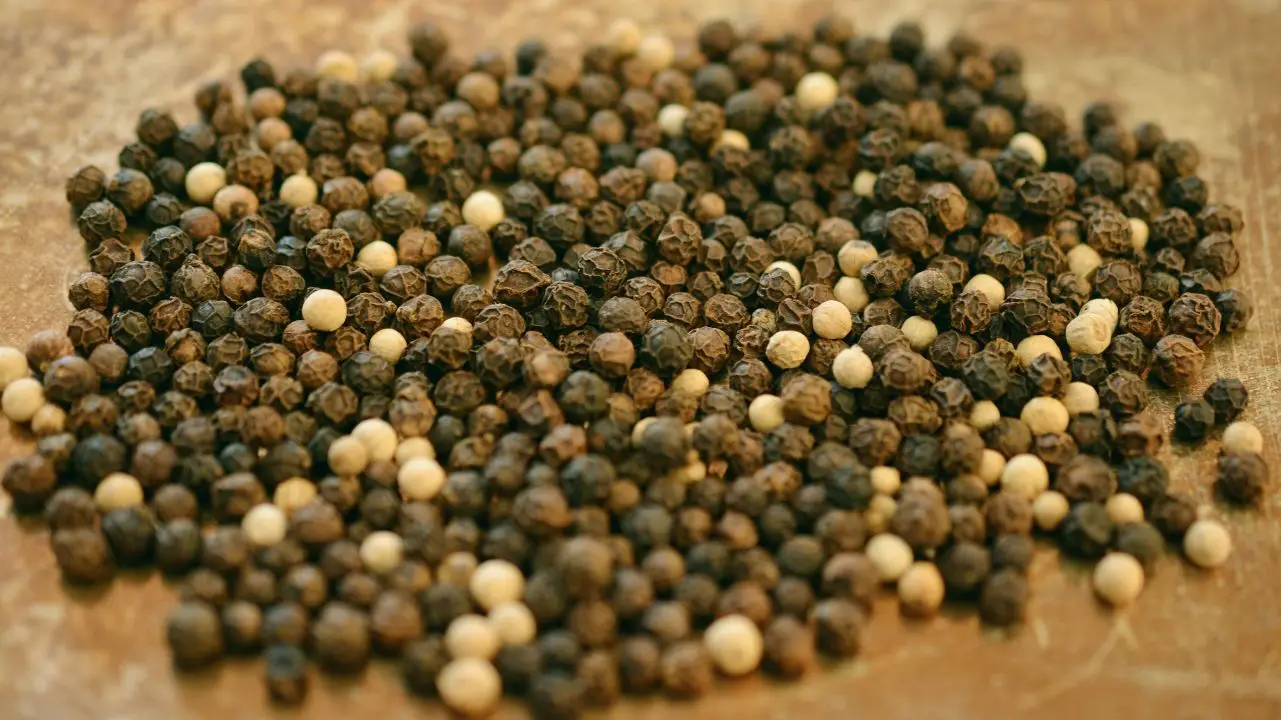
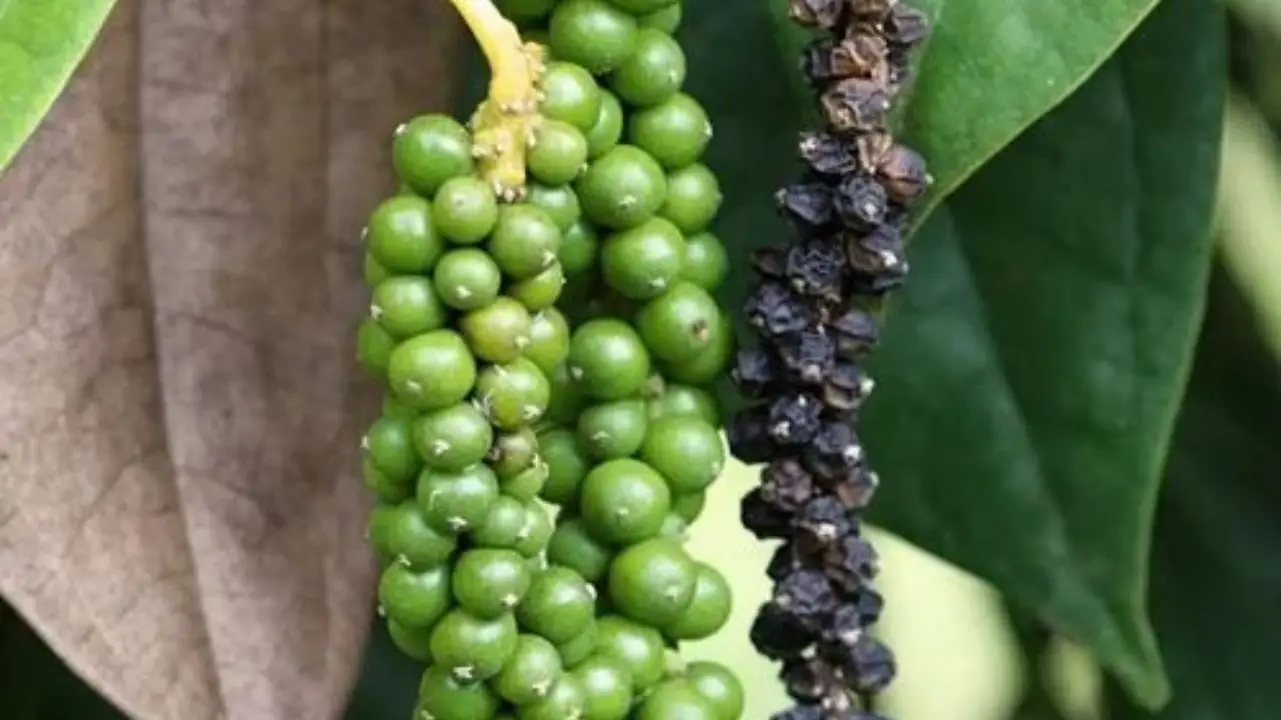
Black pepper is produced from the fruit of the pepper plant (Piper nigrum), a climbing vine that thrives in warm, humid climates and is widely cultivated in tropical regions, including Vietnam.
After harvesting, the pepper berries are dried naturally or mechanically. As they lose moisture, the outer skin darkens to a brownish-black color and becomes wrinkled, creating the familiar appearance of black peppercorns.
Two main components give black pepper its distinctive character. Its pungent heat comes primarily from piperine, while its aroma comes from volatile compounds found in the pepper’s essential oils.
When peppercorns are crushed or ground, these aromatic compounds are released more readily. This is why freshly ground black pepper generally has a stronger aroma than pepper that has been ground and stored for a long time.
Black pepper is widely used in stews, soups, sauces, grilled meats, seafood, marinades, and seasoning blends.
What Compounds Are Found in Black Pepper?
In addition to its role as a spice, black pepper contains dietary fiber, certain minerals, and various plant compounds. However, because only small amounts are typically used in meals, black pepper should not be considered a major source of nutrients.
The most widely studied compound is piperine, a naturally occurring alkaloid responsible for the characteristic pungency of black pepper.
Research has examined piperine in several areas, including antioxidant activity, mechanisms associated with inflammatory responses, digestive processes, and its potential influence on the absorption of certain substances. A comprehensive scientific review has also examined piperine’s pungency, biological activities, and potential applications in food science.
Black pepper also contains volatile compounds responsible for its characteristic aroma. In food processing, these aromatic characteristics can be important indicators when evaluating spice quality.
5 Potential Black Pepper Benefits
Adds Flavor and Variety to Food
Among the most immediate benefits of black pepper is its ability to enhance flavor.
The warm, pungent taste of black pepper pairs well with meat, fish, vegetables, and sauces. Even a small amount can help bring out the natural flavors of other ingredients.
When combined with garlic, ginger, onion, or herbs, black pepper can be used in a wide variety of seasoning profiles.
In some recipes, aromatic spices can also make food more flavorful without relying excessively on salt.
For the food industry, black pepper is a familiar ingredient in marinades, sauces, seasoning mixes, and ready-to-use spice blends.
Contains Compounds with Antioxidant Activity
Normal metabolic processes in the body generate free radicals. When these compounds accumulate beyond the body’s ability to neutralize them, oxidative stress may occur and place additional stress on cells.
Some research has found antioxidant activity in compounds present in black pepper, including piperine. This is one reason black pepper benefits are often discussed in relation to health.
However, there is not enough evidence to conclude that consuming normal culinary amounts of black pepper can prevent aging or disease.
Black pepper is better viewed as one component of a varied diet that includes vegetables, fruits, and other nutrient-rich foods rather than as a primary source of antioxidants.
May Be Associated with Inflammatory Response Pathways
Preclinical studies — meaning studies that have not yet established the same effects in humans — suggest that piperine may influence several biological pathways associated with inflammatory responses.
These findings have contributed to scientific interest in piperine as a bioactive compound.
However, the doses of piperine used in experimental research and the controlled conditions of those studies can differ significantly from the small amount of black pepper normally added to food.
For that reason, black pepper should not be considered a treatment for chronic inflammatory conditions.
May Influence Digestive Processes
The pungency of black pepper stimulates the senses and can make food taste more flavorful and appealing.
Piperine has also been studied for its potential effects on certain digestive enzymes and digestive secretions.
However, human evidence remains limited, so it would be inappropriate to claim that black pepper can treat bloating, indigestion, or other digestive conditions.
People who are sensitive to spicy foods may experience burning or gastrointestinal discomfort when consuming larger amounts.
May Affect the Absorption of Certain Compounds
One characteristic of piperine that has attracted considerable scientific attention is its potential effect on bioavailability — the proportion of a substance that is absorbed and becomes available for use by the body.
For this reason, piperine has been studied in combination with curcumin, the main bioactive compound in turmeric, to investigate whether it can influence curcumin absorption.
However, these studies use controlled amounts of active compounds. Simply adding a little ground black pepper to a dish containing turmeric does not mean the same results will automatically occur.
Piperine may also affect how the body absorbs or metabolizes certain medications. Research on black pepper, piperine, and drug absorption and metabolism has examined these potential interactions, which is why concentrated piperine supplements should be approached more cautiously than normal culinary use.
For this reason, concentrated piperine supplements should not be used without appropriate professional guidance, particularly by people who regularly take medication.
How to Use Black Pepper in Food Preparation
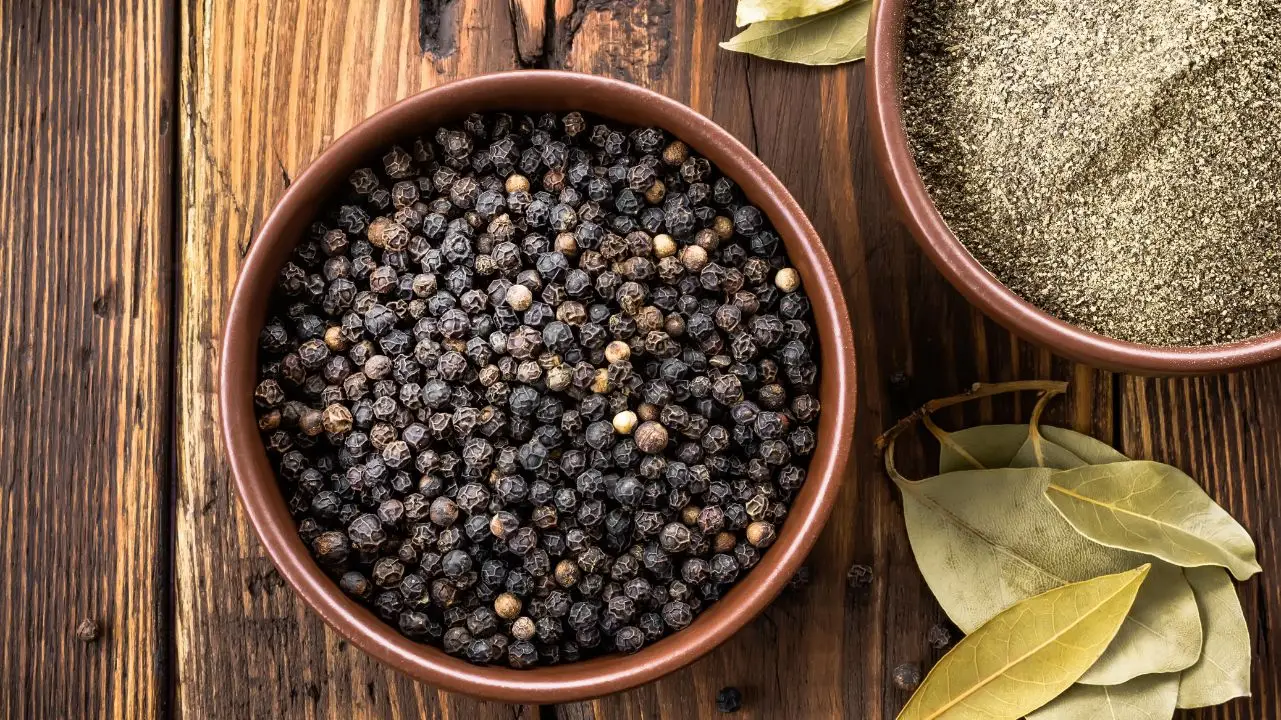
Depending on the recipe, you can choose between whole black pepper and ground black pepper.
- Whole black peppercorns are suitable for stews, broths, and recipes where the aroma is intended to develop gradually during cooking.
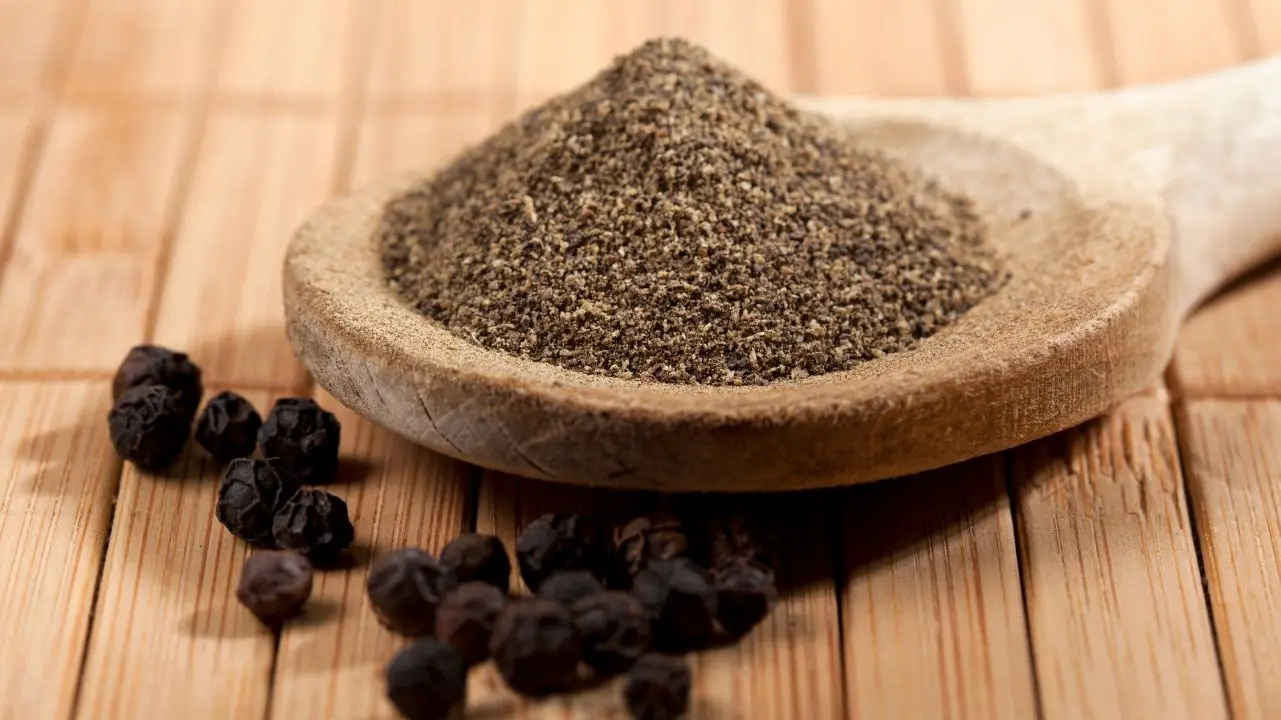
- Ground black pepper is convenient for marinades, sauces, seasoning blends, or sprinkling directly onto finished dishes.
For a stronger aroma, grind or crush peppercorns shortly before use.
Once black pepper is ground, a larger surface area is exposed to air, allowing aromatic compounds to dissipate more quickly over time.
For food manufacturers, the choice between whole and ground black pepper also depends on the recipe, processing equipment, production method, and finished-product specifications.
Important Considerations When Using Black Pepper
Although black pepper is a common culinary spice, it should still be used in amounts appropriate to individual taste and tolerance.
- People with sensitive digestive systems or sensitivity to spicy foods may want to reduce their intake if they experience discomfort after eating.
- Do not consume excessive amounts of black pepper in an attempt to increase potential health effects. Research findings involving piperine do not mean that “more is better.”
- Culinary black pepper should be distinguished from concentrated piperine extracts. People who regularly take medication should consult an appropriate healthcare professional before using supplements containing concentrated piperine.
Remember that black pepper is a spice, not a medicine.
How to Choose and Store Black Pepper
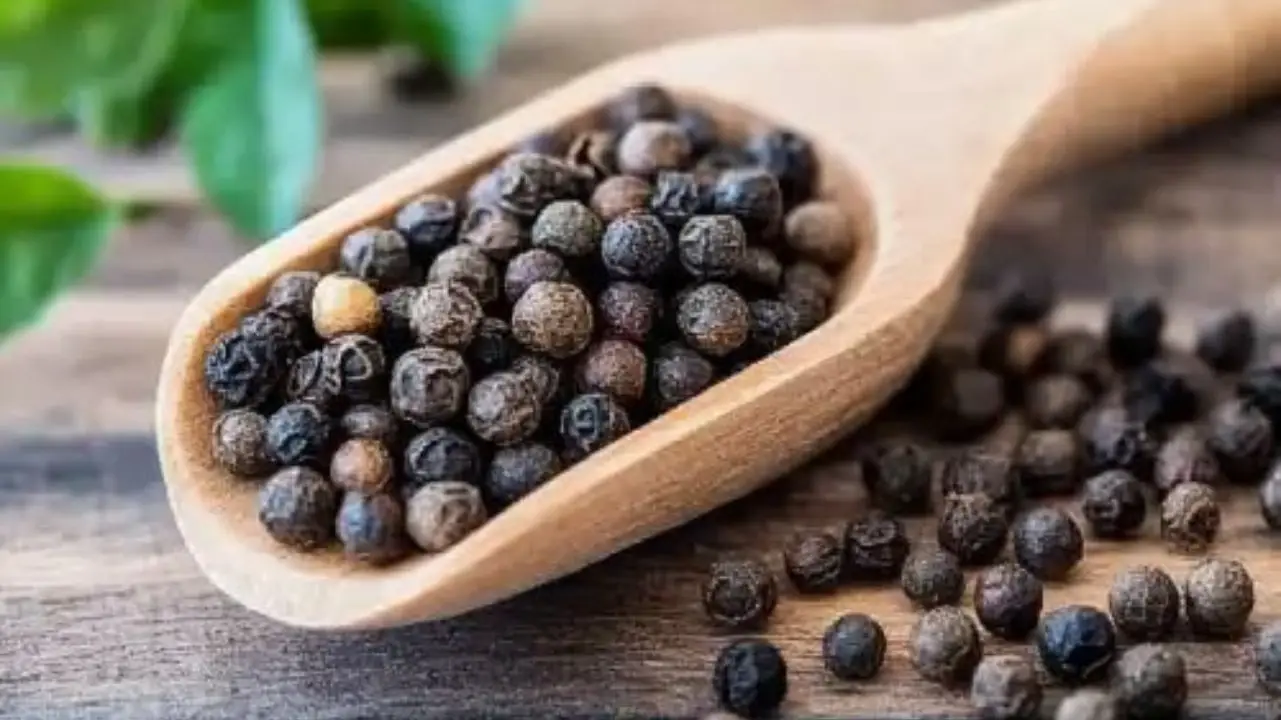
The quality of black pepper directly affects both its pungency and aroma.
When buying black pepper, consider the color, uniformity of the peppercorns, cleanliness, and natural aroma. Avoid products showing signs of mold, foreign matter, excessive moisture, or unusual odors.
When storing black pepper, transfer it to a tightly sealed container after opening and keep it in a cool, dry place away from direct sunlight and heat.
Ground black pepper should be protected from prolonged exposure to air because its aroma generally declines faster than that of whole peppercorns.
For business buyers, sensory characteristics are only part of the evaluation. Technical parameters such as moisture content, foreign matter, microbiological safety, and market-specific quality requirements may also need to be reviewed.
Export Demand for Vietnam Black Pepper
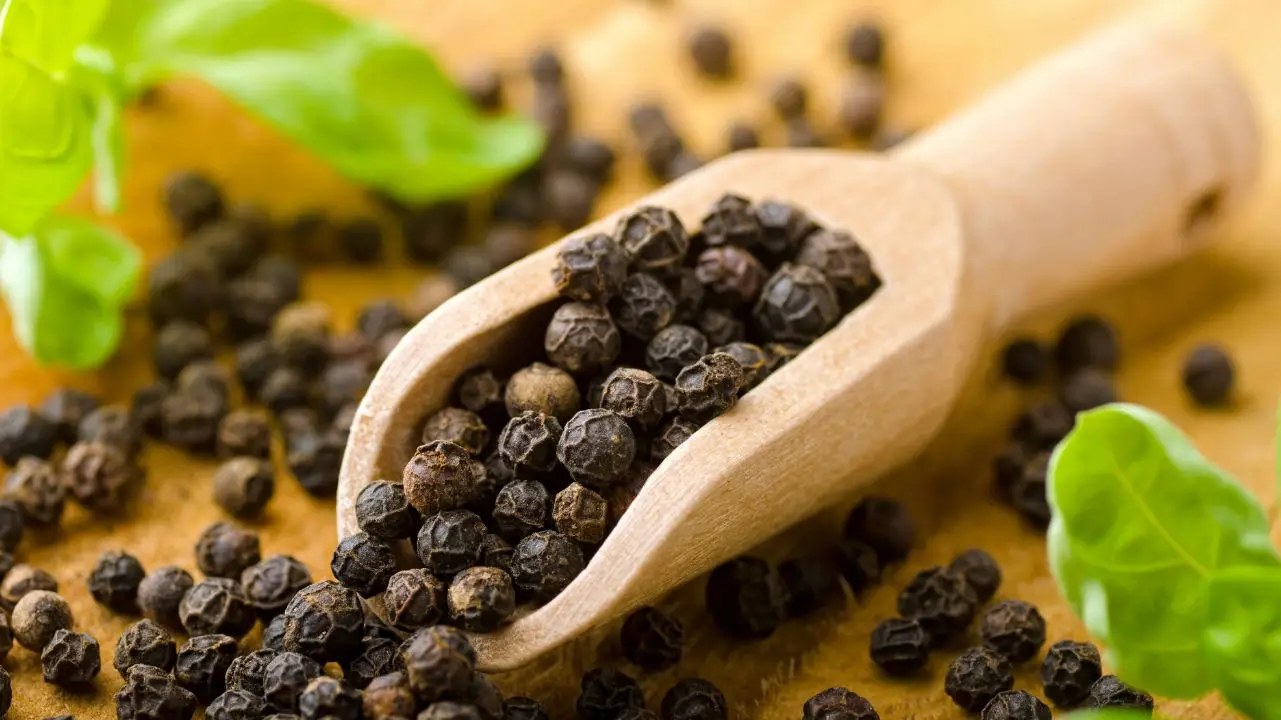
Vietnam black pepper is used across a wide range of applications, from retail spice packaging and food manufacturing to international trade.
For importers and food processors, the value of the raw material depends on more than pungency and aroma.
Uniformity, cleanliness, traceability, and consistency between shipments can also be important purchasing criteria.
For export black pepper, buyers and suppliers should agree in advance on product specifications, packaging requirements, documentation, and delivery terms according to the requirements of the destination market.
If you are looking for a source of Vietnam black pepper for food production, distribution, or international trade, contact VILIFA to discuss suitable supply options.
Frequently Asked Questions About Black Pepper
- What Are the Benefits of Black Pepper?
Black pepper adds aroma and flavor to food and contains piperine, a compound that has been studied for antioxidant activity, inflammatory-response pathways, digestive processes, and bioavailability.
However, much of the available evidence relates to experimental or preclinical research and should not be interpreted as proof that black pepper can treat or prevent disease.
- Is Ground Black Pepper or Whole Black Pepper Better?
Whole black pepper generally retains its aroma for longer when stored properly and ground shortly before use.
Ground black pepper is more convenient, but it is better to purchase reasonable quantities, store it in an airtight container, and use it while the aroma remains fresh.
- Is Eating More Black Pepper Better for You?
No.Black pepper should primarily be used as a culinary spice. Excessive amounts may cause burning or digestive discomfort in people who are sensitive to spicy foods.
- Can People Taking Medication Eat Black Pepper?
Using normal culinary amounts of black pepper in food is different from taking concentrated piperine supplements.
People considering piperine supplements, particularly those who regularly use medication, should consult a doctor, pharmacist, or other qualified healthcare professional first.
Conclusion
Black pepper does more than provide its familiar pungent flavor. It also contains piperine, a compound being studied for antioxidant activity, inflammatory-response pathways, digestion, and effects on bioavailability.
However, potential black pepper benefits should always be interpreted according to the strength and type of available scientific evidence.
Using black pepper as a spice within a balanced diet is more reasonable than expecting it to treat disease.
For food processing and commercial sourcing needs, VILIFA is available to discuss black pepper products, technical specifications, packaging, and supply options according to your business requirements.