
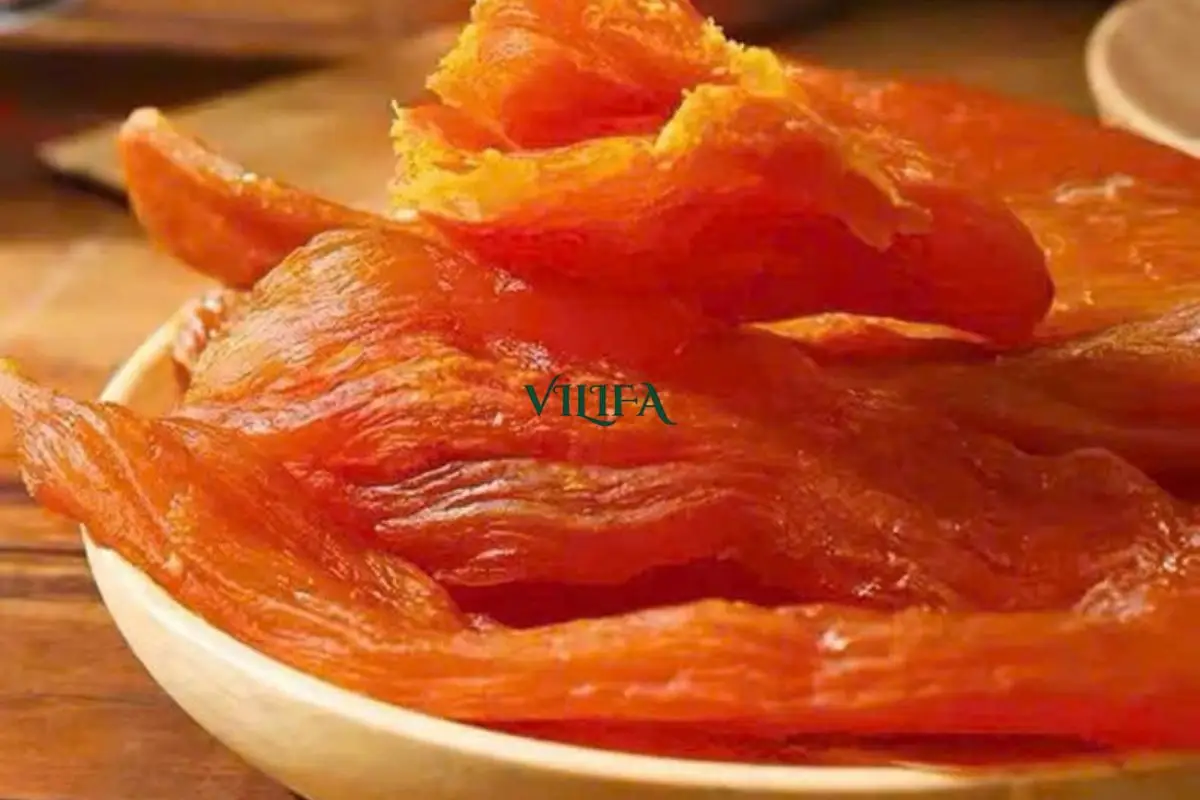

Made from the same familiar root vegetable, chewy dried sweet potato and crispy dried sweet potato offer noticeably different eating experiences.
One retains a soft, flexible texture that allows you to feel more of the natural sweet potato flesh, while the other is lighter, drier and delivers the crunch commonly associated with snack products.
The difference is not limited to texture. Moisture content, processing methods, raw materials, thickness, added ingredients and intended use can all influence the characteristics of a dried sweet potato product.
So, how are chewy and crispy dried sweet potatoes actually different? Which one is better for snacking? And what should you look for when choosing between them?
Alongside sweet potato products, consumers and businesses can also explore other Dried Fruits & Vegetables for different snack preferences and product applications.
What Is Chewy Dried Sweet Potato?
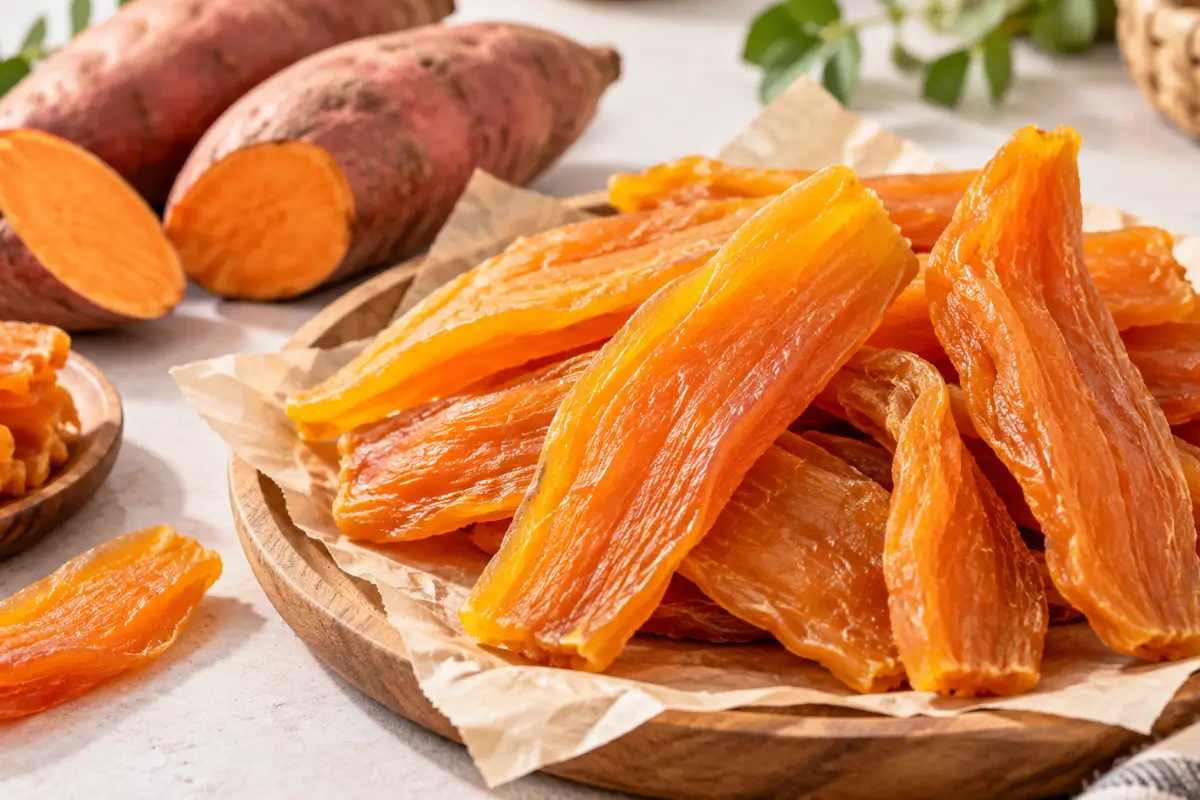
Chewy dried sweet potato is made by removing part of the moisture from fresh sweet potatoes while retaining enough moisture to maintain a soft and flexible texture.
Instead of becoming dry and brittle, the sweet potato remains slightly chewy when eaten. Its texture is therefore closer to cooked sweet potato than to conventional chips.
Chewy dried sweet potatoes are commonly produced in slices, strips or moderately thick pieces. Depending on the sweet potato variety and processing method, the finished product may have a soft bite, natural sweetness and a noticeable sweet potato aroma.
Because more moisture remains in the product compared with crispy varieties, chewy dried sweet potato usually provides a denser and more substantial eating experience.
It may be suitable for people who prefer:
- A soft and flexible texture
- A more noticeable sweet potato flesh
- A slower chewing experience
- A snack that feels closer to the original ingredient
However, not every chewy product is produced in the same way. Ingredients, drying temperature, raw material quality and the use of added sugar can all affect the final flavor and texture.
What Is Crispy Dried Sweet Potato?
Crispy dried sweet potato is processed to achieve a lower moisture level and a crunchy texture.
Sweet potatoes are often cut into thinner slices so that moisture can be removed more evenly. Depending on the technology used, the finished product can range from light and porous to dense and crunchy.
Some crispy sweet potato products resemble traditional chips, while others retain more of the natural appearance and flavor of the original sweet potato.
Their characteristics can vary according to:
- Slice thickness
- Processing temperature
- Drying technology
- Oil content
- Sugar content
- Seasoning
- Sweet potato variety
This means that two products both labeled as crispy dried sweet potato can still taste and feel quite different.
Consumers should therefore look beyond the product name and check the ingredient list, processing information and nutritional label when available.
Chewy vs. Crispy Dried Sweet Potato: What Are the Differences?
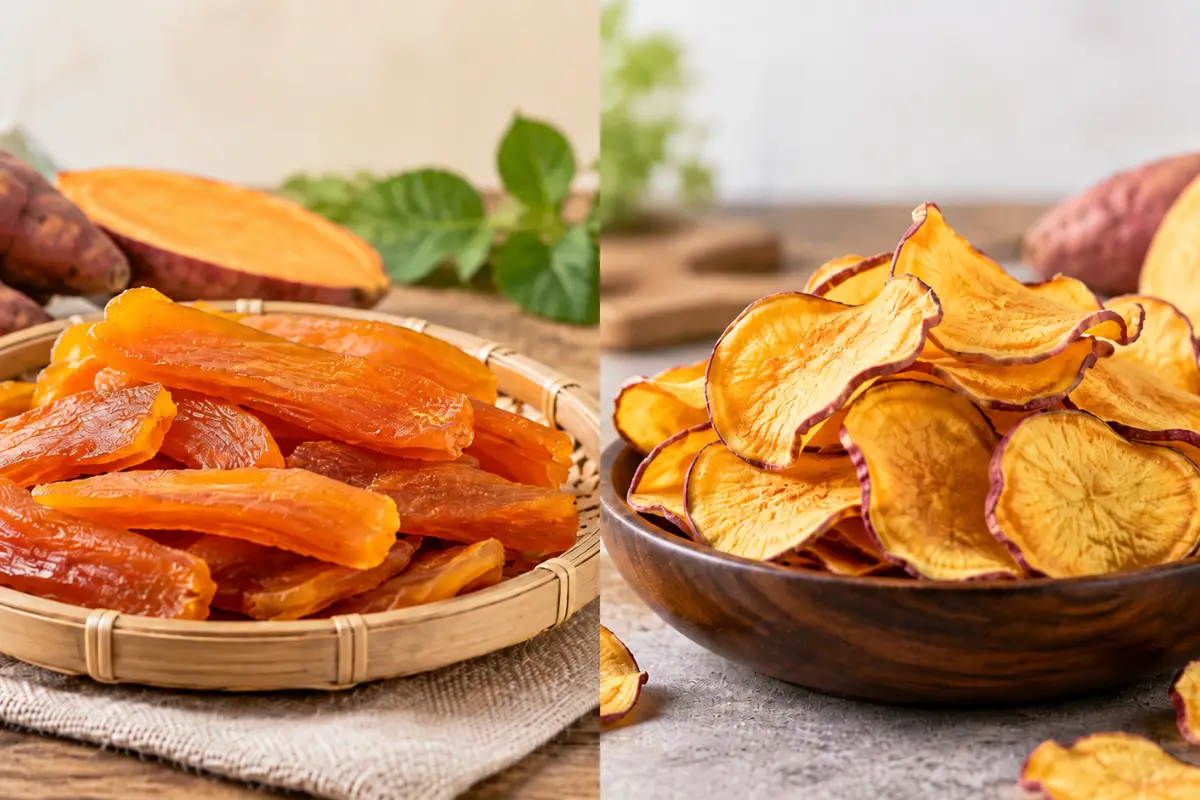
The most obvious difference between the two products is texture, but moisture, processing methods and eating experience are also important.
| Criteria | Chewy Dried Sweet Potato | Crispy Dried Sweet Potato |
|---|---|---|
| Texture | Soft, flexible and chewy | Dry and crunchy |
| Moisture | Higher | Lower |
| Product thickness | Usually thicker | Usually thinner |
| Eating experience | Denser and closer to sweet potato flesh | Lighter and more snack-like |
| Typical format | Slices, strips or pieces | Thin slices or chips |
| Storage after opening | Protect from air and moisture | Protect carefully from humidity to maintain crispness |
Texture
Texture is usually the easiest way to distinguish the two products.
Chewy dried sweet potato retains more moisture, allowing the product to remain soft and flexible. When eaten, the texture of the sweet potato flesh is often more noticeable.
Crispy dried sweet potato contains less moisture and is processed to create a crunchy bite.
For consumers who enjoy softer snacks, the chewy version may be more appealing. Those who prefer chips or crunchy snack products may prefer the crispy format.
Moisture Content
Moisture plays an important role in determining the final texture of dried sweet potato.
Chewy products retain more moisture, while crispy products require greater moisture reduction to achieve the desired crunch.
This difference also influences storage.
Crispy products are particularly sensitive to humidity after opening. If they absorb moisture from the air, they may gradually lose their crispness.
Chewy products can also change texture when exposed to air for too long, either becoming drier or absorbing unwanted moisture depending on storage conditions.
Flavor
The flavor of dried sweet potato depends on several factors, including:
- Sweet potato variety
- Growing conditions
- Maturity
- Processing temperature
- Moisture level
- Added sugar
- Oil
- Seasoning
Chewy dried sweet potato may provide a more noticeable sweet potato flavor because of its denser texture and longer chewing experience.
Crispy varieties can feel lighter, especially when cut into thin slices.
However, chewy dried sweet potato should not automatically be considered sweeter than crispy dried sweet potato.
Actual sweetness depends heavily on the original sweet potato variety and whether additional sweeteners are used during processing.
Processing Method
To make chewy dried sweet potato, processors generally remove enough moisture to improve product stability while still maintaining softness.
For crispy products, moisture needs to be reduced further or a different processing technology may be used to create a brittle, crunchy structure.
Processing conditions can influence:
- Texture
- Color
- Aroma
- Surface appearance
- Sweetness perception
- Product stability
As a result, processing technology is one of the main reasons dried sweet potato products from different manufacturers can vary considerably.
Which Is Better: Chewy or Crispy Dried Sweet Potato?
There is no single answer because the better option depends on personal preference and intended use.
Choose chewy dried sweet potato if you prefer:
- A softer bite
- A denser texture
- More noticeable sweet potato flesh
- A slower snacking experience
Choose crispy dried sweet potato if you prefer:
- A crunchy texture
- A lighter snack
- Thin slices
- An eating experience closer to conventional chips
Texture, however, should not be the only consideration.
Consumers should also check the ingredient list and determine whether the product contains additional sugar, oil, salt or seasoning.
For commercial buyers, factors such as processing method, product specifications, packaging and shelf life may be equally important.
Common Sweet Potato Varieties Used for Dried Products
The variety of sweet potato used as raw material can significantly influence the color, sweetness and texture of the finished snack.
Purple Sweet Potato
Purple sweet potatoes are easy to recognize because of their distinctive natural color.
After processing, they can retain an attractive purple appearance, although the final shade depends on the raw material and processing conditions.
Purple sweet potato may be suitable for snack products where visual appeal is important.
It can also be used in mixed dried vegetable or root vegetable snack products to create greater color contrast.
Honey Sweet Potato
Honey sweet potatoes are known for their naturally sweet flavor and soft flesh.
These characteristics can make them suitable for producing chewy dried sweet potato, particularly when the desired result is a dense and naturally sweet snack.
However, the sweetness of the final product can still vary according to:
- Sweet potato variety
- Growing season
- Harvest maturity
- Raw material quality
- Processing conditions
Yellow Sweet Potato
Yellow sweet potatoes are widely used because of their familiar color and mild, slightly starchy taste.
They can be processed into both chewy and crispy formats depending on slice thickness and production technology.
Their versatility makes them suitable for a wide variety of sweet potato snack products.
How to Choose the Right Dried Sweet Potato Snack
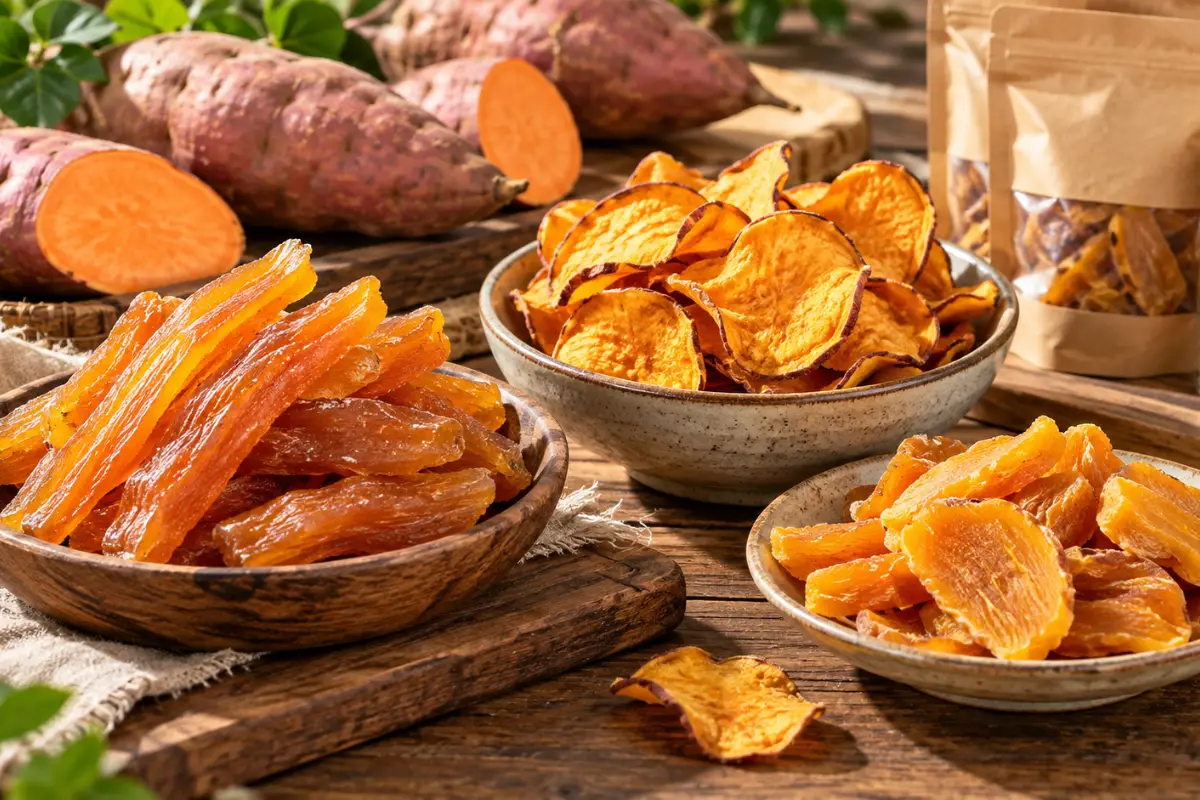
When choosing a dried sweet potato snack, texture is important, but it is not the only factor worth considering.
Ingredients, processing method, added sugar, oil, packaging and storage instructions can all affect the final product.
Check the Ingredient List
The ingredient list is one of the first things worth checking.
A straightforward dried sweet potato product should identify sweet potato as its main ingredient.
Depending on the product, additional ingredients may include:
- Sugar
- Oil
- Salt
- Seasonings
- Flavorings
- Other ingredients used during processing
A longer ingredient list does not automatically mean a product is unsuitable, but it helps consumers understand what they are actually eating.
Check Whether Sugar Is Added
One common point of confusion is the difference between “no added sugar” and “sugar-free.”
Sweet potatoes naturally contain carbohydrates and naturally occurring sugars.
Therefore, a dried sweet potato product can contain natural sugar even when no additional sugar is added during processing.
Consumers who want to limit added sugar should check both:
- Ingredient list
- Nutrition information
rather than relying only on the front-of-pack wording.
Check Oil and Seasonings
Some crispy sweet potato snacks may contain oil to achieve a particular texture or flavor.
Others may include salt or seasoning blends.
The presence of oil does not automatically determine whether a product is good or bad. What matters is whether the ingredients and preparation method match the consumer’s needs.
For businesses developing snack products, oil and seasoning levels can also influence market positioning and target consumer groups.
Choose According to Texture Preference
If you prefer to feel more of the original sweet potato texture, a chewy product is likely to be more suitable.
If you enjoy a crunchy bite and lighter snack format, crispy dried sweet potato may be a better choice.
In practice, texture is often the factor that most strongly influences whether consumers prefer one format over the other.
Is Chewy Dried Sweet Potato Healthier Than Crispy Dried Sweet Potato?
It is difficult to say that one format is automatically healthier than the other.
The nutritional characteristics of a product depend not only on whether it is chewy or crispy but also on:
- Raw materials
- Serving size
- Added sugar
- Oil content
- Salt
- Seasonings
- Processing method
For example, one chewy product may contain added sugar, while another does not.
Similarly, one crispy sweet potato product may contain oil and seasoning, while another may have a simpler ingredient list.
Therefore, consumers should compare actual product labels rather than judge nutrition based only on texture.
What Does “No Added Sugar” Mean for Dried Sweet Potato?
“No added sugar” generally means that sugar has not been added as a separate ingredient during processing.
It does not mean that the product contains zero sugar.
Sweet potatoes naturally contain sugar, and drying removes water from the raw material. As a result, flavors can become more concentrated in the finished product.
When choosing a no added sugar dried sweet potato, consumers should still check the ingredient list and nutrition information for a clearer understanding of the product.
How to Store Dried Sweet Potato After Opening
Proper storage is important for maintaining the intended texture and quality.
Chewy Dried Sweet Potato
After opening, keep the package tightly sealed and store the product according to the manufacturer’s instructions.
Leaving the product exposed to air for extended periods can cause changes in moisture and texture.
Crispy Dried Sweet Potato
Crispy products require particular protection from humidity.
Once exposed to moisture in the air, crispy sweet potato slices can gradually lose their crunch.
To help maintain quality:
- Close the package immediately after use
- Keep the product in a dry environment
- Avoid exposure to high humidity
- Follow the manufacturer’s storage instructions
- Consume within the recommended period after opening
Packaging with good moisture-barrier properties is especially important for crispy snack products.
Dried Sweet Potato for Importers and Food Businesses
For importers, distributors and businesses developing snack portfolios, choosing between chewy and crispy sweet potato involves more than consumer texture preference.
Commercial buyers may also need to evaluate:
- Sweet potato variety
- Product format
- Slice or piece dimensions
- Moisture level
- Texture requirements
- Added sugar
- Oil content
- Seasoning requirements
- Ingredient declaration
- Packaging format
- Net weight
- Shelf life
- Storage conditions
- Private-label requirements
For example, one market may prefer naturally sweet chewy sweet potato with minimal additional ingredients, while another may have stronger demand for crispy snack-style products.
Defining the target consumer before selecting the product specification can therefore help businesses make more appropriate sourcing decisions.
Should You Choose Chewy or Crispy Dried Sweet Potato?
Both formats come from sweet potatoes, but they deliver very different eating experiences.
Chewy dried sweet potato is more suitable for people who prefer:
- Soft texture
- Dense pieces
- Noticeable sweet potato flesh
- A slower chewing experience
Crispy dried sweet potato is more suitable for people who prefer:
- Crunchy texture
- Thin slices
- A lighter snack
- A chip-like eating experience
Neither type is automatically better.
The right choice depends on the desired texture, ingredients, processing method and intended use.
Consumers should therefore check the ingredient list, nutrition information and storage instructions rather than choosing solely based on the words “chewy” or “crispy.”
For businesses, additional factors such as product specifications, packaging, shelf life and target market should also be considered.
VILIFA supplies processed agricultural products from Vietnam for importers, distributors, food businesses and commercial partners. Product specifications, packaging options and other requirements can be discussed according to individual products and market needs.